Honouring National Truth and Reconciliation Day: Bridging Ethics and Indigenous Wisdom
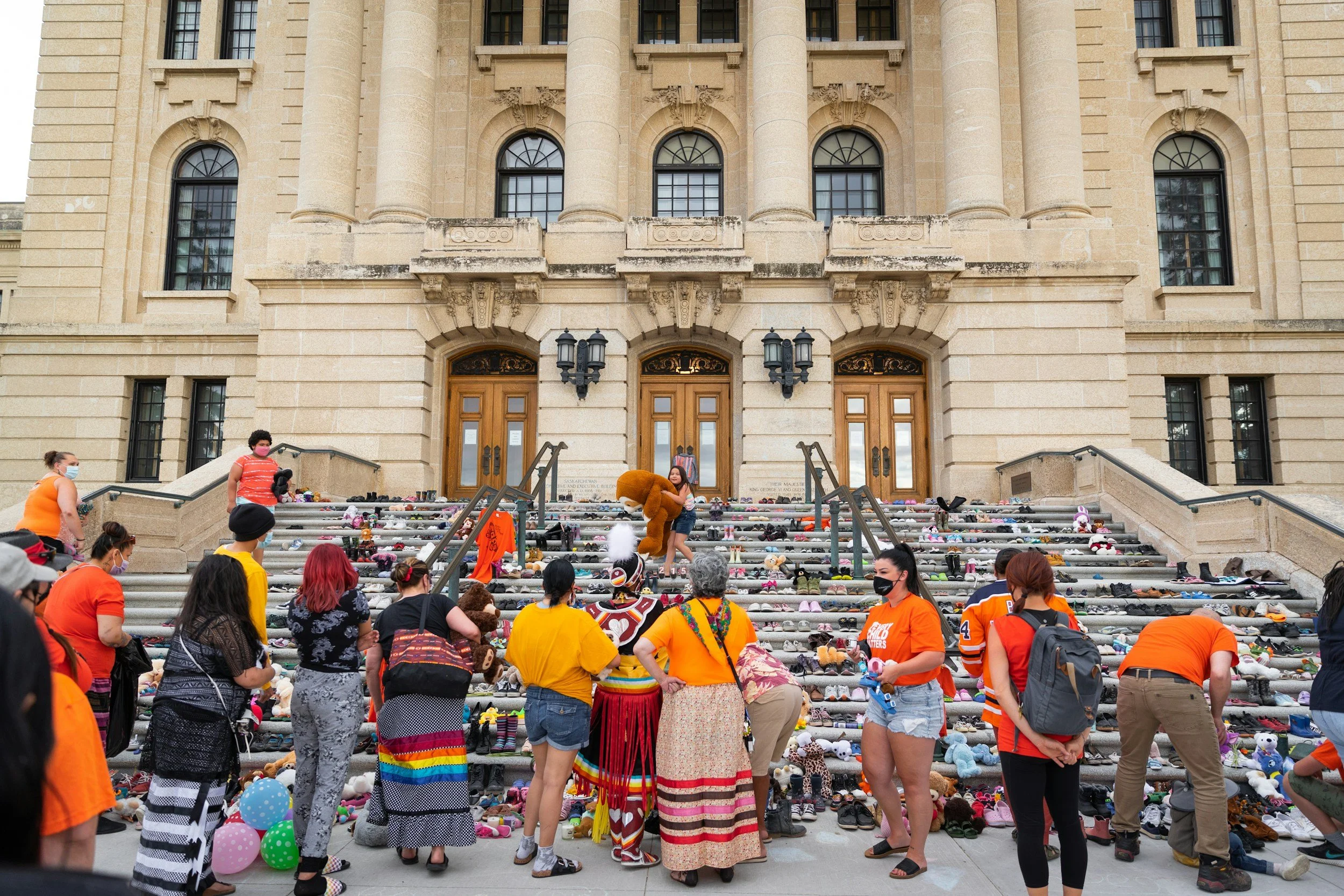
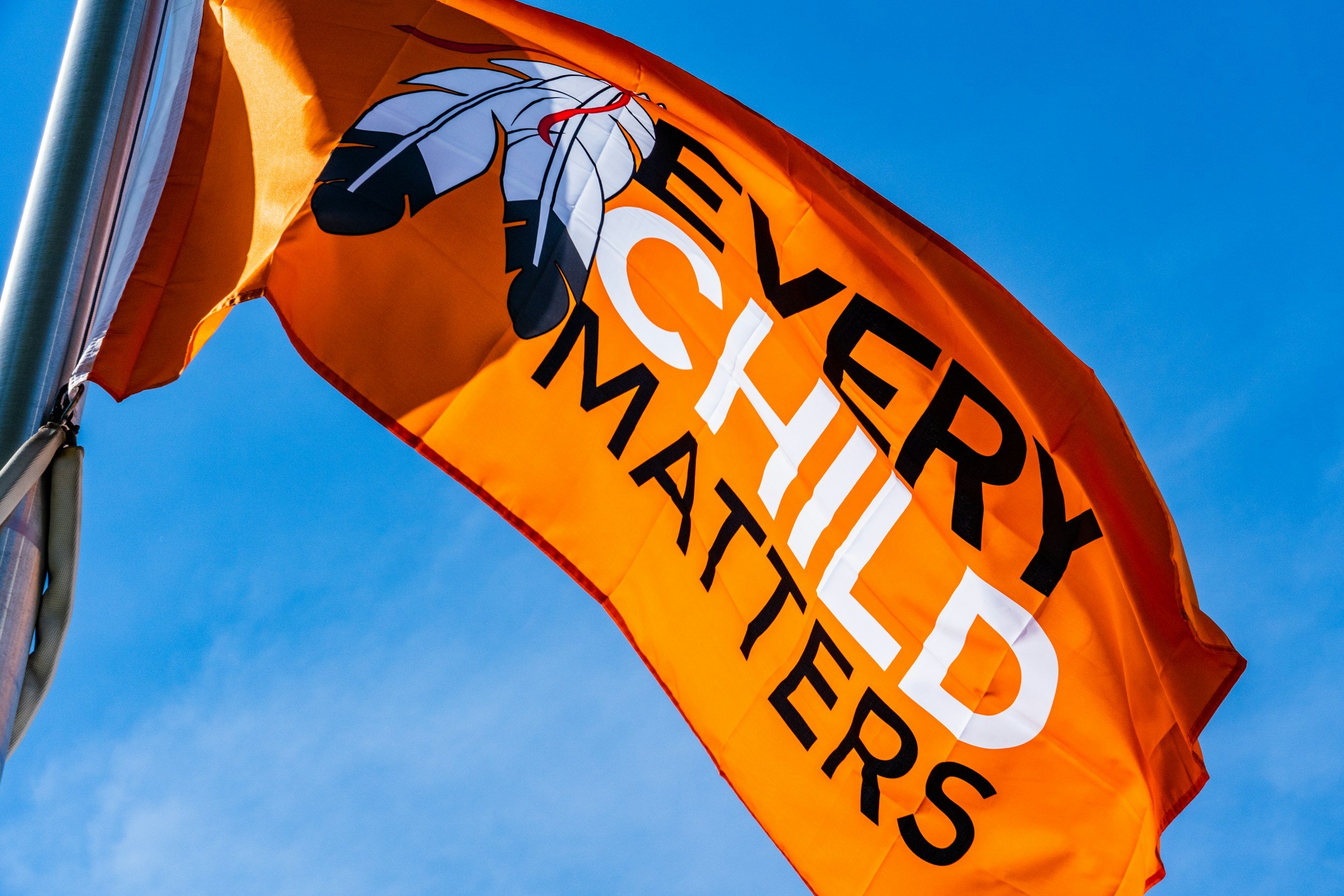
Every September 30th, Canadians observe National Truth and Reconciliation Day, also known as Orange Shirt Day. It is a time to honour the survivors of the residential school system and remember the children who never returned home. At Well Workshop Psychological Services, we recognize that true reconciliation requires more than just awareness; it demands actionable change within the field of psychology to mend "soul wounds" caused by generations of colonial violence.
Why "Reconciling Psychology" Matters
For too long, mainstream psychology operated within a Eurocentric framework that often pathologized Indigenous experiences without considering the impact of colonization. In 2018, the Canadian Psychological Association (CPA) released a landmark report acknowledging that the profession had historically violated its own Code of Ethics when working with Indigenous Peoples.
To move forward, we must bridge the gap between CPA Ethical Principles and Indigenous Principles of healing.
The Six Guiding Principles for Ethical Practice
Psychology is currently shifting toward an Indigenous-centric approach. This involves adopting six key principles that align our professional ethics with the needs of Indigenous communities:
Cultural Allyship: Moving beyond "performative" gestures to take real action against inequality. This aligns with the ethical standard of Responsible Caring.
Humility: Adopting a "curious learner" stance rather than being the "expert". It means respecting Elders and traditional knowledge systems.
Collaboration: Treating Indigenous clients and communities as equal partners in the healing process. This fulfills the ethical requirement for Integrity in Relationships.
Critical Reflection: Psychologists must question their own Western biases and "unlearn" rigid perspectives that may limit a client’s growth.
Respect: This involves "Two-Eyed Seeing", valuing the strengths of both Indigenous and Western knowledge systems simultaneously.
Social Justice: Acknowledging that mental health is tied to societal structures. We must advocate for the self-determination and rights of Indigenous Peoples.
Creating a Culturally Safe Space
Reconciliation in therapy means creating a culturally safe space where clients feel protected from racism and discrimination. This is a lifelong process of self-critique for practitioners. Importantly, only the client can determine if an encounter is truly "safe".
At Well Workshop, we strive to move from "multiculturalism" (simple coexistence) to "interculturalism", which promotes deep cultural exchange and mutual support.
Meet Olakunle: Supporting Your Healing Journey
We are proud to highlight the work of our registered psychologist, Olakunle Akinyode. With over 12 years of experience, Olakunle takes a collaborative and holistic approach to mental health, working with children, youth, adults, and families.
Direct Support for First Nations and Inuit Clients:
NIHB-Approved Provider: Olakunle is an approved provider under the federal Non-Insured Health Benefits (NIHB) program.
No Out-of-Pocket Costs: Eligible First Nations and Inuit clients can receive mental health counselling covered directly through this program.
Stress-Free Billing: As an approved provider, Olakunle handles all direct billing, so you can focus entirely on your wellness.
Olakunle integrates various methods, including Cognitive Behaviour Therapy (CBT) and EMDR, while remaining committed to culturally informed care that respects your unique background and barriers to change.
A Path Forward Together
Reconciliation is not a destination but an ongoing journey of respectful collaboration. This September 30th, we invite you to reflect on the truths of our shared history and join us in building a future where mental health services are equitable, inclusive, and deeply rooted in respect for Indigenous sovereignty.
References
Canadian Psychological Association. (2017). Canadian code of ethics for psychologists (4th ed.). https://cpa.ca/docs/File/Ethics/CPA_Code_2017_4thEd.pdf
Canadian Psychological Association. (2018). Psychology’s response to the Truth and Reconciliation Commission of Canada’s report. https://cpa.ca/docs/File/Task_Forces/TRC%20Task%20Force%20Report_FINAL.pdf
Herkimer, J., Choma, B., & Nasser, L. (2025). Non-Indigenous Canadians' post-colonial ideologies, allyship and collective guilt predict support for reconciliation, collective action and political tolerance. Journal of Community & Applied Social Psychology, 35(1). https://doi.org/10.1002/casp.2813
Tan, J. C. H., & Person, S. (2026). Alignment of the general guiding principles in the Canadian Psychological Association’s response to the truth and reconciliation report with the Canadian Code of Ethics for Psychologists. Canadian Psychology / Psychologie canadienne, 67(1), 134–144. https://doi.org/10.1037/cap0000457
Truth and Reconciliation Commission of Canada. (2015). Honouring the truth, reconciling for the future: Summary of the final report of the Truth and Reconciliation Commission of Canada. https://nctr.ca/records/reports/
Tupper, J. A., & Omoregie, A. E. (2024). Challenges and possibilities for truth and reconciliation in teacher education: An engagement with the literature. Canadian Journal of Education / Revue canadienne de l’éducation, 47(2), 492–521.