Healing is Possible: Understanding the Layers of PTSD
Mark your calendars: June 27th is PTSD Awareness Day.
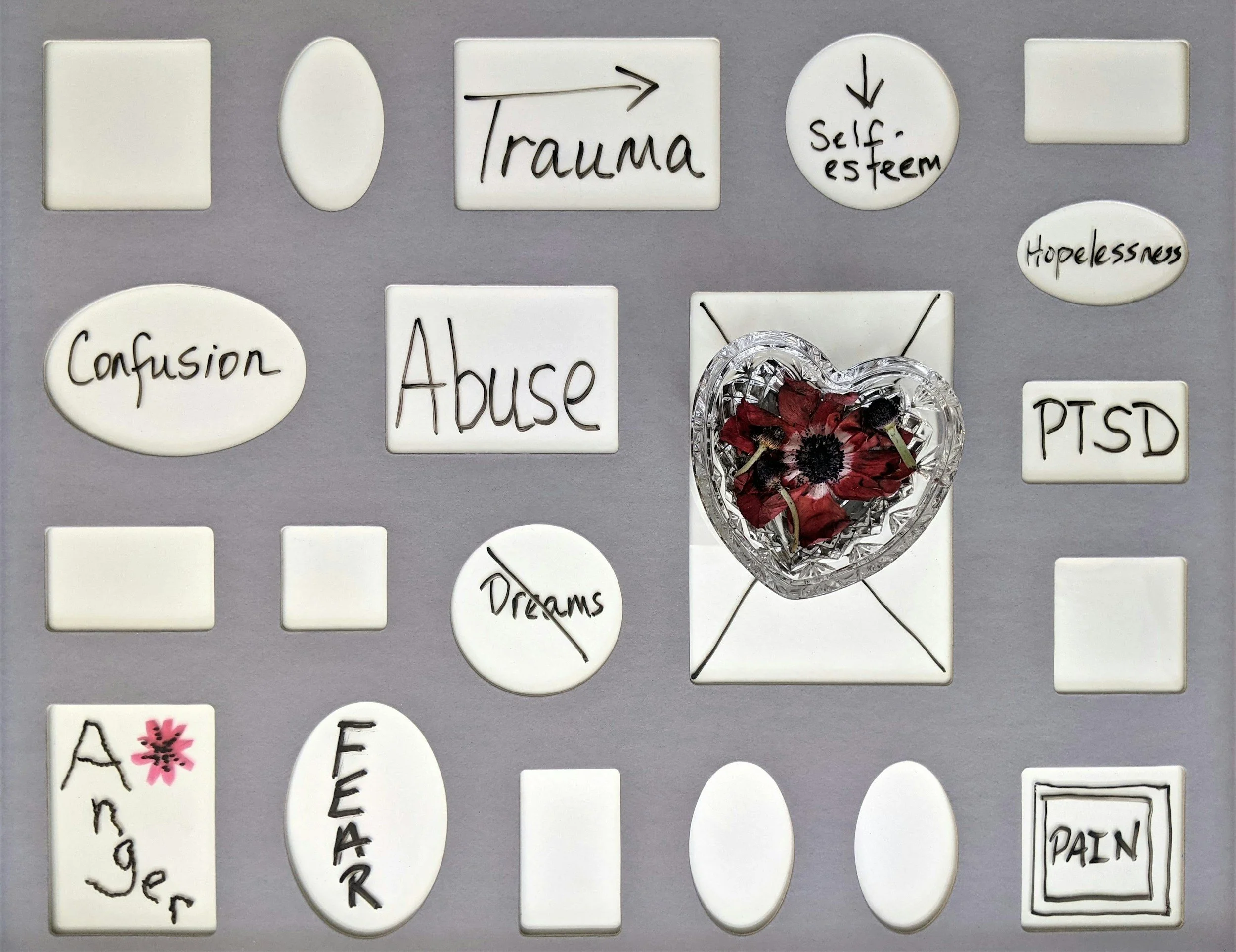
At Well Workshop Psychological Services, we believe that awareness isn’t just about a label, it’s about understanding the complex ways trauma lives in the brain and knowing that effective, evidence-based help is available. Whether you are a veteran, a survivor of childhood trauma, or navigating the aftermath of a medical crisis, your experience is valid, and your brain is capable of healing.
PTSD vs. Complex PTSD: What’s the Difference?
Not all trauma looks the same. While many people are familiar with "Standard" PTSD, modern research highlights a distinct category known as Complex PTSD (C-PTSD).
Standard PTSD: Often stems from a single event (like a car accident or a natural disaster). Symptoms include re-experiencing the trauma, avoidance, and a constant sense of threat.
Complex PTSD: Usually follows prolonged or repeated trauma where escape was difficult (such as childhood abuse or domestic violence).
The "DSO" Factor: C-PTSD includes three extra challenges known as Disturbances of Self-Organization:
Emotional Dysregulation: Finding it extremely hard to calm down once upset.
Negative Self-Perception: Feeling "broken," "dirty," or worthless.
Interpersonal Disturbance: Difficulty staying connected or feeling safe in relationships.
The Hidden Struggles: Drinking and Aggression

Trauma often affects how we interact with the world. For some, especially veterans, PTSD symptoms can lead to heavy drinking as a way to self-medicate.
The Science: Research shows that when PTSD symptoms are high, heavy drinking significantly increases the risk of psychological aggression (like yelling or insults).
The Good News: Reducing alcohol intake can actually "break the link" between PTSD symptoms and aggression, making it easier to manage emotions during recovery.
Innovative Tools for Healing
Healing doesn't have to take decades. Modern therapies are designed to work with the brain’s natural ability to process information.
EMDR (Eye Movement Desensitization and Reprocessing): This is a gold-standard treatment that helps the brain "reprocess" traumatic memories so they no longer feel life-threatening. It is incredibly effective, even for those dealing with medical trauma like cancer diagnoses.
The "Safe Place" Exercise: A core part of EMDR is building an internal "Safe Place." This tool helps you regain a sense of security and trust, which is often the first thing trauma takes away.
Imagery Rescripting: For those who feel stuck in "freeze mode" (tonic immobility) or feel deep shame about their past, combining EMDR with Imagery Rescripting can help "rewrite" the internal narrative, replacing helplessness with a sense of protection and agency.
Why Awareness Matters
Trauma can make the world feel like a dangerous place, and it can make you feel like you are "difficult" or "unfixable." You are not.
Research shows that even in complex cases, such as adults with severe intellectual disabilities or those with decades of untreated childhood trauma, focused therapy like EMDR can lead to a total remission of PTSD symptoms.
This June 27th, we encourage you to reach out. Whether it’s for yourself or a loved one, understanding is the first step toward a life that feels safe again.
Therapists on our Well Workshop Team, like Olakunle Akinyode and Nadia Proano, can work with trauma and integrate EMDR if anyone needs this support.
References
Ahern, J., O’Connor, L., & Fortune, D. G. (2026). Navigating usage of complex PTSD in adult mental health services: A scoping review on clinicians’ perspectives. Trauma Psychology, 18(4), 915–923. https://doi.org/10.1037/tra0002061
Driessen, H. P. A., Busschbach, J. J. V., Blokhuis, M., & Kranenburg, L. W. (2024). The effectiveness of Eye Movement Desensitization and Reprocessing (EMDR)-therapy on Posttraumatic Stress Disorder (PTSD) symptoms and quality of life in patients with cancer. General Hospital Psychiatry, 88, 83–85. https://doi.org/10.1016/j.genhosppsych.2024.02.007
Filazoglu Cokluk, G. (2026). Group EMDR therapy for disaster-affected adolescents: Evaluating effectiveness and navigating implementation challenges in PTSD, depression, and anxiety. Frontiers in Psychiatry, 16, 1691529. https://doi.org/10.3389/fpsyt.2025.1691529
Forkus, S. R., Crasta, D., Hurd, J. A., Giff, S. T., Back, S. E., Miles, S. R., Litz, B. T., Roache, J. D., Young-McCaughan, S., Keane, T. M., Peterson, A. L., Flanagan, J. C., & Consortium to Alleviate PTSD. (2026). Associations between PTSD symptoms and heavy drinking and aggression among treatment-seeking veterans. Psychology of Addictive Behaviors. Advance online publication. https://dx.doi.org/10.1037/adb0001155
Hoogstad, A., Mevissen, L., & Didden, R. (2024). EMDR in three adults with severe intellectual disability and posttraumatic stress disorder: A multiple-baseline evaluation. Journal of EMDR Practice and Research, 18(1), 17–33.
Van Hemert, M. T. C., De Jong, P. M., Brouwer, T. R., Gunst, E., Claes, L., & Morrens, M. (2025). Enhancing trauma-focused therapy (EMDR) with Imagery Rescripting for childhood abuse-related PTSD: A case study. European Journal of Psychotraumatology, 16(1). https://doi.org/10.1080/20008066.2025.2600873