Vagus Nerve Activation and Deep Relaxation for Better Rest
When you have an ADHD brain, the transition to sleep requires more than just a comfortable mattress. Because the ADHD nervous system often stays in a "Watchdog" state, alert and protective, we must manually activate the body’s "brake pedal" to achieve deep relaxation. At Well Workshop Psychological Services, we focus on practical, sensory-based tools to help your nervous system feel safe enough to rest.

Activating the "Brake Pedal" (The Vagus Nerve) The Vagus nerve is the main component of the parasympathetic nervous system. When we activate it, we signal to the brain that the "Watchdog" can stand down and the "Owl" (our calm, reflective state) can take over.
Practical Tools for Deep Relaxation:
The Physiological Sigh: This is a specific breathing pattern—two quick inhales followed by one long, slow exhale. It is one of the fastest ways to lower your heart rate and reduce carbon dioxide in the blood.
Vagus Nerve Massage: Lightly massaging the area around the ears or the side of the neck can stimulate the Vagus nerve and trigger a relaxation response.
The Havening Technique: This involves gentle, repetitive stroking of the arms, face, or palms. It creates delta waves in the brain, which are associated with deep sleep and emotional safety.
Weighted Blankets and Pads: Sensory pressure provides "proprioceptive input," which helps the ADHD brain register where the body is in space, reducing internal restlessness and racing thoughts.
Delta Wave Music: Utilizing apps like Finch, which remind you to engage in delta wave and/or dedicated Delta Wave audio helps guide the brain into the lower-frequency states required for Stage 3 and 4 deep sleep.
Building Your Bedtime "Menu":
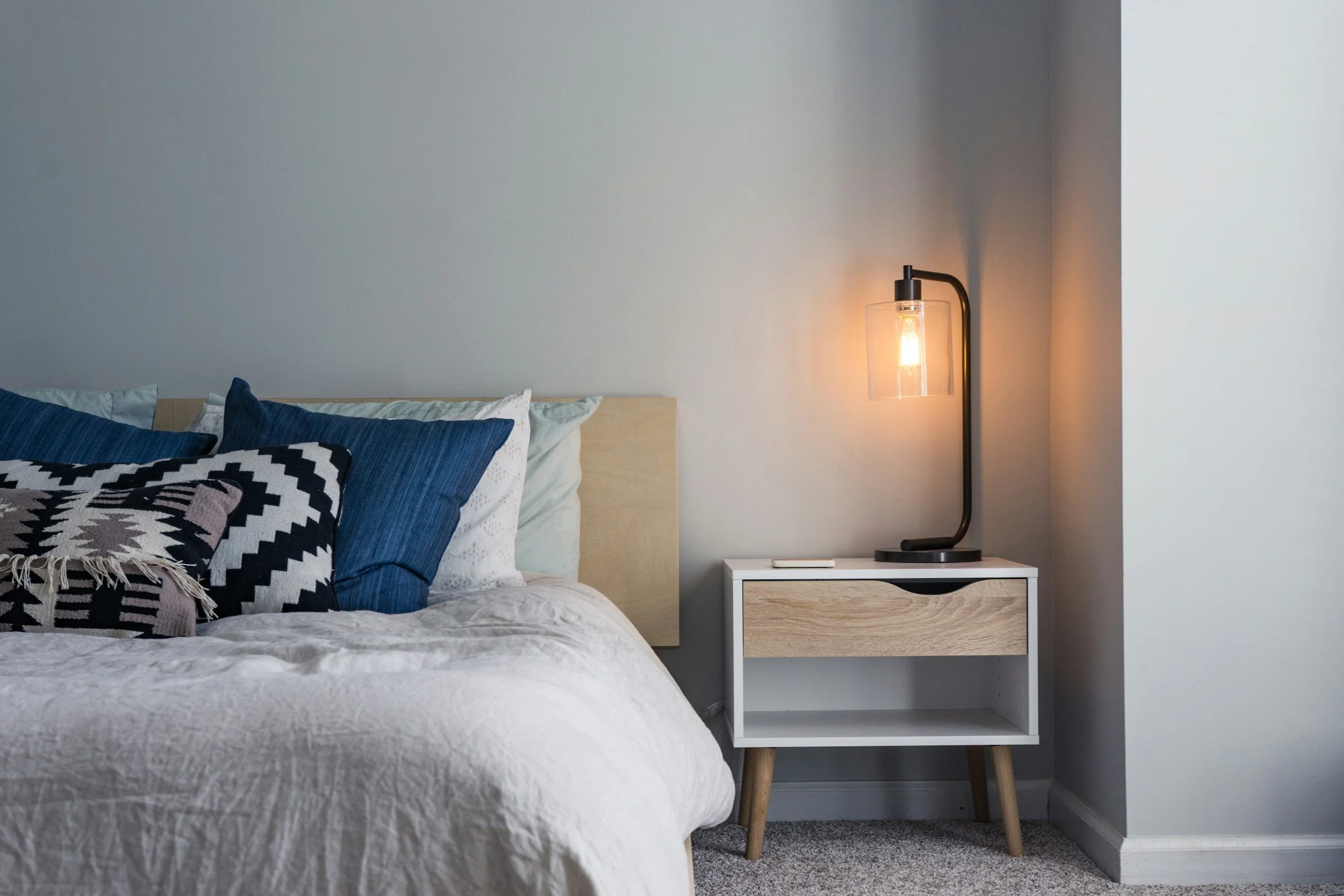
Environment Prep: Cool the room, use blackout curtains, and ensure the bed is only for sleep or relaxation.
Mindful Nutrition: Avoid caffeine and alcohol in the evening, and consider a light, protein-rich snack 3 hours before bed to stabilize blood sugar.
Consistency Tools: Use tech like the Sleep Restore App and Finch to maintain a "sleep bank" and track your progress.
By intentionally engaging these biological tools, you aren't just "trying to sleep", you are actively training your nervous system to relax.