Honouring Resilience: Indigenous Mental Health and National Indigenous Peoples’ Day
June 21st is National Indigenous People’s Day in Canada. This is a vital time to recognize the unique cultures, profound resilience, and ongoing contributions of First Nations, Inuit, and Métis peoples. It is also an opportunity to re-examine how we understand and support Indigenous mental health through a decolonial lens.
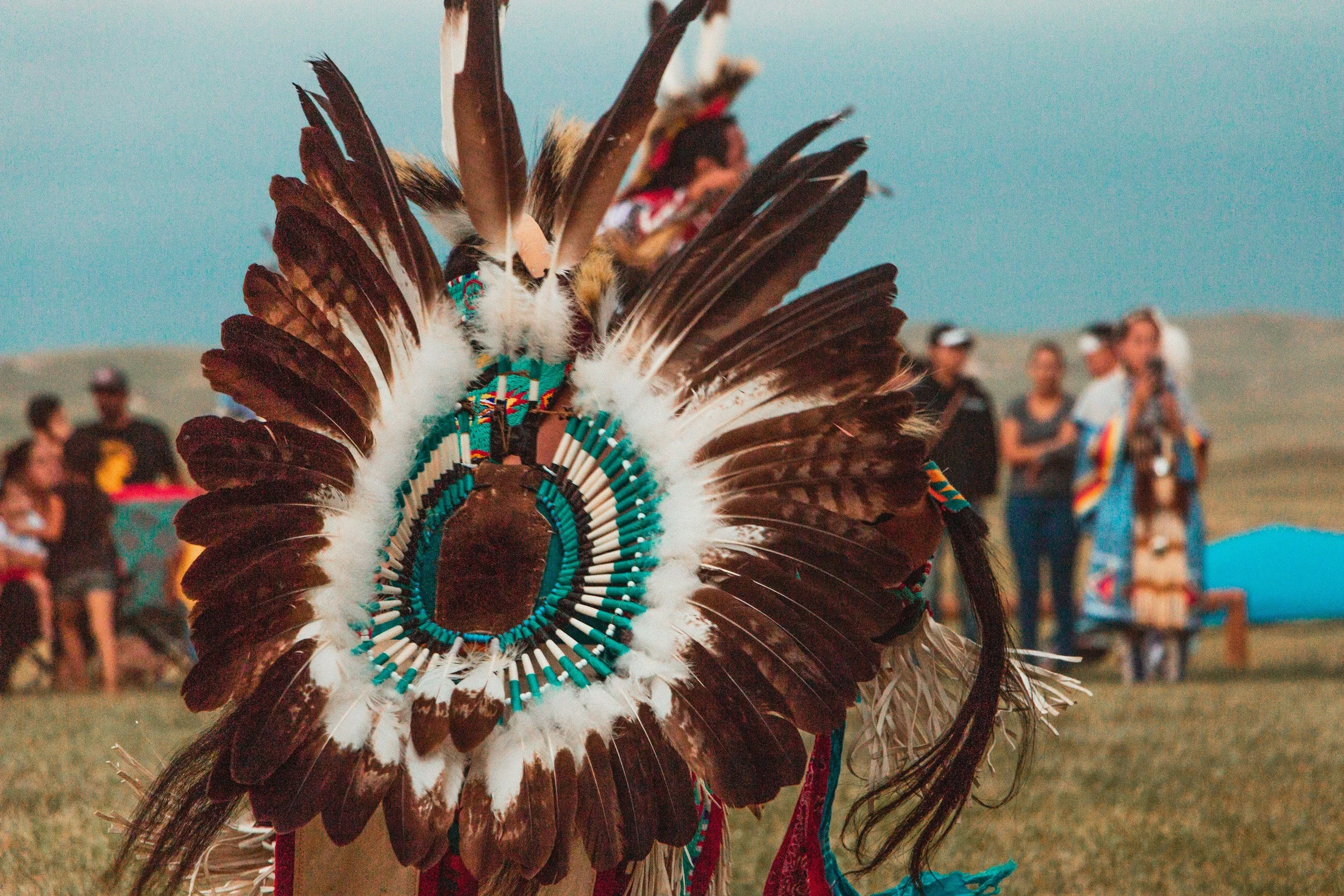
Mental health for Indigenous communities isn't just about individual psychology; it’s about relationality, history, and cultural continuity.
1. Moving Beyond Standard Trauma Measures
Standard tools for measuring "Adverse Childhood Experiences" (ACEs) often fail Indigenous people because they ignore the bigger picture. True wellness must address:
Historical Trauma: The intergenerational impact of residential schools and the "Sixties Scoop".
Systemic Injustice: Lack of clean water, inadequate housing, and racial discrimination.
MMIWG2S Awareness: Understanding the root causes of violence against Indigenous women, girls, and 2SLGBTQQIA+ people as a contemporary form of genocide.
2. Decolonizing the "Talking Cure"
Western therapy often focuses on "the self," but Indigenous healing often focuses on the community and the cosmos.
Traditional Healing: Practices like Cree Star Blanket ceremonies or Sweat Lodge rituals are valid, evidence-based forms of mental health support that restore spiritual and social balance.
Mahi Aroha: In clinical settings, "work done out of love" and building deep relationships (whanaungatanga) are just as important as medical interventions.
Culturally Safe Consent: We must move away from rigid, Western legalistic consent forms toward models that respect Indigenous kinship and the role of Elders.
3. Strengths-Based Perspectives
Instead of focusing only on "deficits," we should look at the unique gifts within Indigenous communities.
Indigenous Autism: Some Cree communities view autism not as a disorder, but as ka-kamawaci-iyinisit, a "unique quiet spiritual intelligence".
Suicide Prevention through Connection: For Indigenous children, the best prevention is often land-based learning and language revitalization, which build a strong sense of identity and purpose.
How to Be an Ally This June 21st and every day!
Wellness for Indigenous people requires systemic change, not just clinical fixes.
Listen to Indigenous Voices: Prioritize research and stories led by Indigenous people.
Acknowledge Complicity: Understand how ongoing colonial policies continue to impact mental health today.
Support Community Control: Real health equity comes when Indigenous communities have the resources to lead their own healing journeys.
This National Indigenous People’s Day, let’s commit to a version of mental health care that is tradition-affirming, inclusive, and rooted in justice.
Our psychologist Olakunle Akinyode is an NIHB approved provider and is available for you to book with through our website!
References
Adcock, A., Cram, F., Edmonds, L., & Lawton, B. (2023). Culturally safe neonatal care: Talking with health practitioners identified as champions by Indigenous families. Qualitative Health Research, 33(6), 531–542. https://doi.org/10.1177/10497323231164550
Bruno, G., Chan, T. A., Zwaigenbaum, L., Coombs, E., The Indigenous Relations Circle, & Nicholas, D. (2024). Indigenous autism in Canada: A scoping review. Journal of Autism and Developmental Disorders, 54, 3478–3491. https://doi.org/10.1007/s10803-023-06045-z
Gran-Ruaz, S., & Rogers, M. A. (2026). Consent and clinical practice when working with Indigenous children and youth in community. Canadian Psychology / Psychologie canadienne. Advance online publication. https://dx.doi.org/10.1037/cap0000464
Luther, A. W., Skinner, K., Anthony, K., & Mielke, J. G. (2026). Childhood adversity and coping among Indigenous university students in Canada: Considerations when examining adverse childhood experiences. Trauma Psychology, 18(2), 251–260. https://doi.org/10.1037/tra0001885
McVittie, J., & Ansloos, J. (2023). Supporting Indigenous child suicide prevention within classrooms in Canada: Implications for school psychologists and educators. Canadian Journal of School Psychology, 38(1), 105–122. https://doi.org/10.1177/08295735221136185
Ting, R. S.-K., Ansloos, J., Lee, B.-O., Gone, J. P., & Kirmayer, L. J. (2025). Decolonizing mental health practice through traditional healing frameworks: Insights from Canada, China, Singapore, and the United States. American Psychologist, 80(4), 630–642. https://doi.org/10.1037/amp0001386
Vanner, C., Goyeau, J., Logan, M., Ryan, K., Weenie, A., & Mitchell, C. (2024). Teaching about missing and murdered Indigenous women, girls, and 2SLGBTQQIA+ people: Implications for Canadian educators. Canadian Journal of Education / Revue canadienne de l’éducation, 47(1), 1–34.