The Bubble Bathification of Self Care
July is Self-Care Month, and here at Well Workshop Psychological Services, we believe wellness is more than just a trend, it is a foundational competency and an ethical imperative for your mental health.
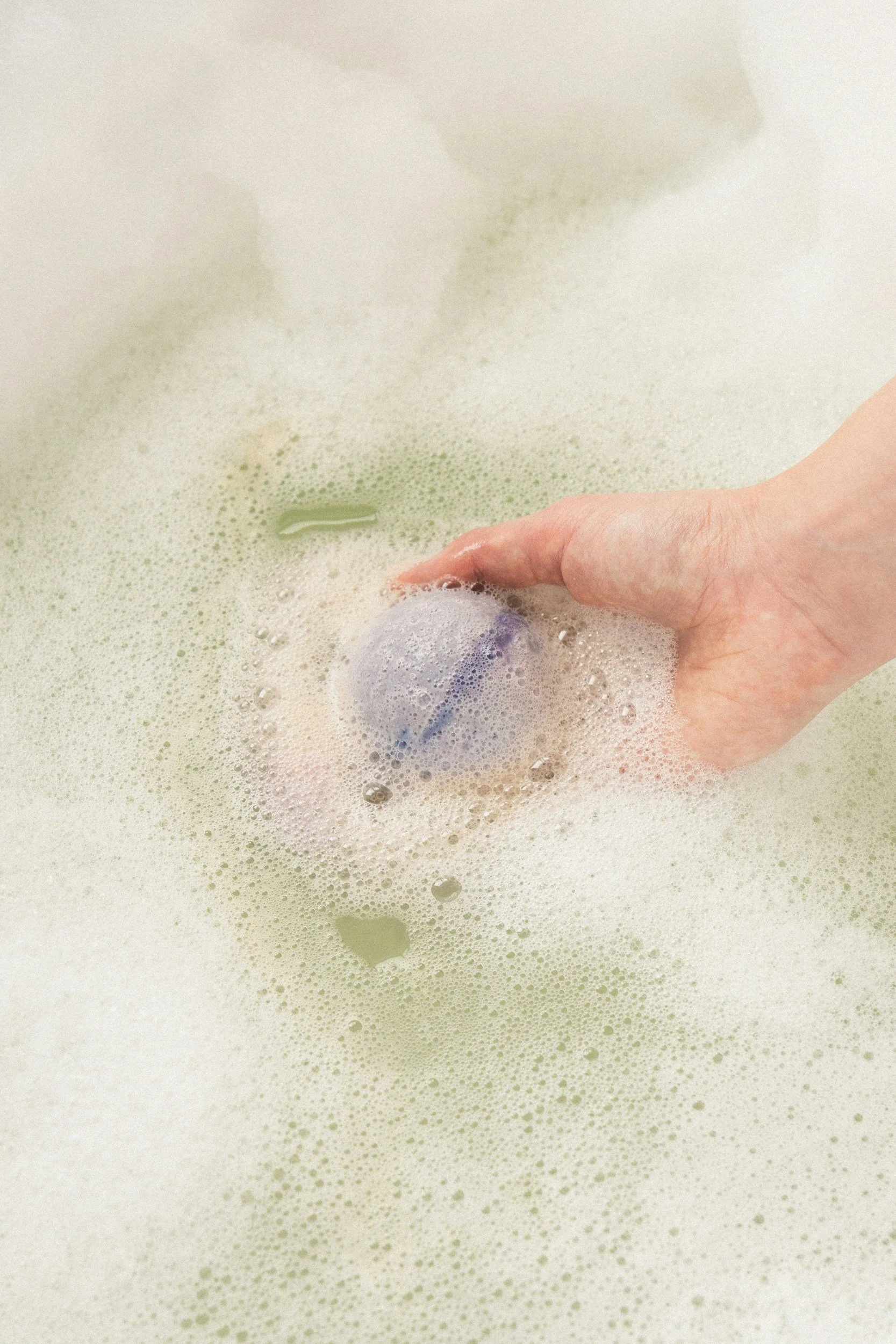
Too often, self-care is reduced to "bubble-bathification", the idea that a single bath bomb can fix systemic burnout. Real self-care is a continuous, individual process guided by self-awareness and self-compassion to find emotional balance. It is about being attentive to yourself and your unique needs.
Why Self-Care is More Than "Treating Yourself"
For many, especially those in helping professions or minoritized communities, self-care is a tool for social justice and resistance. It is not something you have to "earn" through productivity. Instead, think of it as a way to reclaim your time and energy from a culture that rewards constant toil.
The Pillars of Real Wellness
Research identifies several key areas that actually move the needle on your mental health:
Sleep: Quality sleep is the cornerstone of mental health. Poor sleep is linked directly to increased anxiety and depression.
Physical Activity: Moving your body isn’t just for fitness; it’s a proven intervention for stress and mood regulation.
Social Connection: Humans are relational. Fostering trustworthy peer support systems is a form of care that alleviates burnout.
Mindfulness: Learning to pay attention non-judgmentally to the present moment helps you adopt approach-oriented coping strategies.
Value-Aligned Living: Self-care is most sustainable when it aligns with your core values (like family, personal growth, or social justice).
ADHD-Friendly Strategies for Your July and every day!
If traditional self-care feels like "just another chore" on your to-do list, try these low-friction tips:
Use Visual Tools: Use e-tools or simple emoji face tracking to monitor your mood weekly without the pressure of journaling.
Creative Re-Assembling: You don’t need a spa. Look at the objects around you, a favorite chair, a plant, or art supplies, and creatively re-organize your space to create a "wellness zone".
Micro-Resistances: If a full day off feels impossible, take "micro-breaks" to engage in a hobby or just breathe. These small acts are a form of resistance against exhaustion.
Set Firm Boundaries: Actively separating your personal and professional selves is an act of resilience.
Overcoming the Barriers
We know it isn’t always easy. Barriers like lack of time, financial costs, and the "Superwoman" schema, the pressure to always stay strong and take care of others first, are real.
Remember: Professional support is a valid and vital part of a self-care plan. Seeking help is not a sign of failure; it is a protective factor that fosters long-term well-being.
This July, let’s move beyond the bubble bath. Let’s commit to a self-care practice that is radical, restorative, and uniquely yours.
References
Bistricky, S. L., Klein, P., Pascuzzi, B., Oliver, S., Gimenez-Zapiola, M., & Schanding, G. T., Jr. (2025). Training and maintaining self-care: Recommendations, values, and mental health. Training and Education in Professional Psychology, 19(3), 190–198. https://doi.org/10.1037/tep0000513
Cole, R., Fantus, S., Hawkins, L., & Chakraborty, P. (2024). Professional self-care in social work practice: A new conceptual framework. Social Work, 70(1), 31–41. https://doi.org/10.1093/sw/swae011
Collins, M. H., & Cassill, C. K. (2022). Psychological wellness and self-care: An ethical and professional imperative. Ethics & Behavior, 32(7), 634–646. https://doi.org/10.1080/10508422.2021.1971526
Dingle, G. A., Han, R., Huang, K., Alhadad, S. S. J., Beckman, E., Bentley, S. V., Edmed, S., Gomersall, S. R., Hides, L., Lorimer, N., Maccallum, F., McKimmie, B. M., Ng, N., Rossa, K., Smith, S. S., Walter, Z. C., Williams, E., Wright, O. R. L., & Tanksale, R. (2025). Sharper minds: Feasibility and effectiveness of a mental health promotion package for university students targeting multiple health and self-care behaviours. Journal of Affective Disorders, 378, 271–280. https://doi.org/10.1016/j.jad.2025.03.011
Gordon, L. (2025). The bubble-bathification of self-care: Problematizing possibilities for restful mental health in Canada. Medical Anthropology, 44(7), 666–679. https://doi.org/10.1080/01459740.2025.2558843
Roxas, G. K. T. (2023). “Self-care is being attentive to yourself”: Using assemblages to examine discursive-material practices of self-care among Filipino university students. International Journal of Qualitative Studies on Health and Well-being, 18(1), Article 2247619. https://doi.org/10.1080/17482631.2023.2247619
Spadola, C. E., Groton, D. B., Giorgio Cosenzo, L., Fantus, S., Hilditch, C. J., Burke, S. L., Littlewood, K., Bertisch, S. M., & Zhou, E. S. (2024). Sleep and sleep knowledge among social work students: Implications for mental health and self-care education. Journal of Human Behavior in the Social Environment, 34(4), 536–551. https://doi.org/10.1080/10911359.2023.2204125
Truscott, A., Hayes, D., Bardsley, T., Choksi, D., & Edbrooke-Childs, J. (2024). Defining young people’s mental health self-care: A systematic review and co-development approach. European Child & Adolescent Psychiatry, 33, 3765–3785. https://doi.org/10.1007/s00787-023-02320-7
Wyatt, J. P., & Ampadu, G. G. (2022). Reclaiming self-care: Self-care as a social justice tool for Black wellness. Community Mental Health Journal, 58, 213–221. https://doi.org/10.1007/s10597-021-00884-9