Better Together: Why Your Social Circle is Your Best Mental Health Tool
At Well Workshop Psychological Services, we often focus on internal mindset, but research shows that our external world, specifically our social wellness, is just as vital for a healthy brain. Social wellness is the quality of your interactions with others, your community, and your environment. It’s not just about having "people around"; it’s about the depth, support, and reciprocity within those relationships.
Why Social Connection is Your "Secret Weapon"
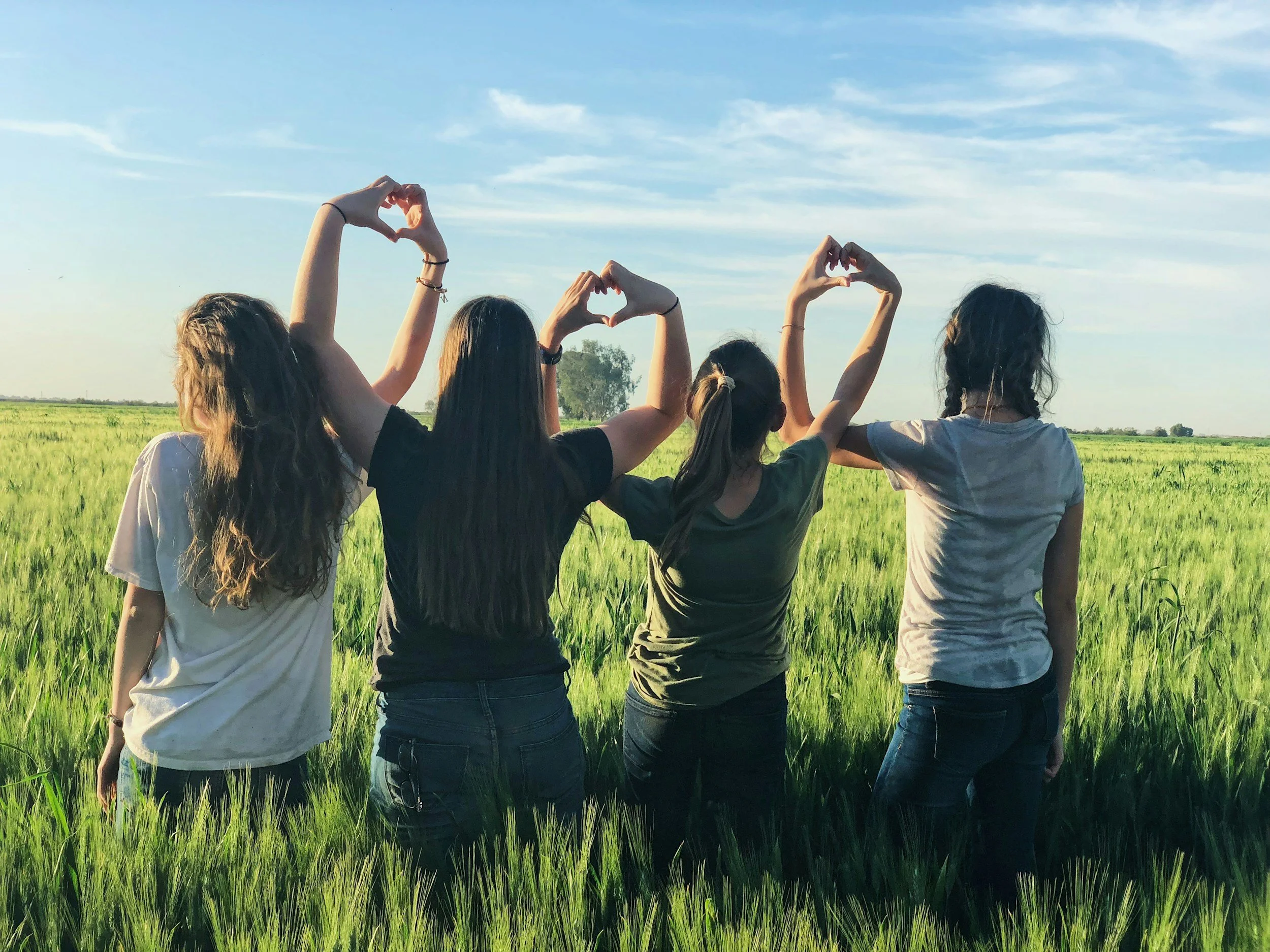
Think of your social circle as a safeguard for your mental health. Research consistently shows that high-quality social support can:
Buffer against stress and anxiety: Feeling like others "have your back" reduces the physiological impact of stressful life events.
Lower rates of depression and loneliness: Strong social ties provide a sense of belonging that directly counteracts feelings of isolation.
Boost self-esteem: Being understood and accepted by others helps you build a more positive self-image.
Improve life satisfaction: People who engage in meaningful social activities, like clubs, sports, or travel with friends, report higher levels of happiness and vibrancy.
The Science of Friendship Quality

Not all friendships are created equal. High-quality friendships are characterized by intimacy, reciprocity, and mutual support. For adolescents and adults alike, having at least one "high-support" profile, where you feel cared for by family, friends, or even colleagues, is linked to optimal mental health outcomes.
Interestingly, helping others (often called prosocial behaviour) might be one of the fastest ways to improve your own well-being. Studies found that performing small acts of kindness for others, like checking in on a friend or cooking for someone, reduces loneliness and anxiety more effectively than just focusing on self-care alone. This "helper’s high" creates a powerful sense of social connection.
How to Boost Your Social Wellness Today
Building a supportive community doesn’t have to be overwhelming. Small, intentional steps can yield big results:
Find Your "Counterspaces": Join groups where your identity is affirmed. This could be a book club, a cultural organization, or a hobby group where you feel seen and valued.
Practice Reciprocity: Real connection is a two-way street. Practice "giving back" to your social network through active listening and shared support.
Leisure as Connection: Use your hobbies to meet people. Whether it's a team sport, a yoga class, or a community garden, shared activities lower the barrier to making new friends.
Be Intentional: Set specific, realistic goals to stay in touch. Instead of a vague "we should hang out," send that text or make that call today.
The Bottom Line
We are inherently social creatures. Whether you are navigating a major life transition, work stress, or just the daily grind, having a "kitchen table" of people to sit with, metaphorically or literally, makes you more resilient.
If you're feeling isolated or struggling to build these connections, remember that social wellness is a skill that can be developed. At Well Workshop, we are here to help you navigate the path toward more fulfilling and supportive relationships.
References
Beauchemin, J., Krueger, D., Yates, T., & Ding, X. (2024). Effects of a brief, solution-focused, digital intervention on social wellness among college students: A pilot study. Journal of Evidence-Based Social Work, 21(3), 349–362. https://doi.org/10.1080/26408066.2023.2284918
Cordier, R., Parsons, L., Wilkes-Gillan, S., Cook, M., McCloskey-Martinez, M., Graham, P., ... & Speyer, R. (2023). Friendship interventions for children with neurodevelopmental needs: A systematic review and meta-analysis. PLoS ONE, 18(12), e0295917. https://doi.org/10.1371/journal.pone.0295917
Jo, H. (2024). Wellness and wanderlust: How social wellness impacts travel motivation. International Journal of Tourism Research. Advance online publication. https://doi.org/10.1002/jtr.2626
Johnson, K., Dupree, A., Gilbert, O., & Leath, S. (2026). “It’s more than a book club”: Counterspaces and bibliotherapeutic wellness among Black undergraduate women. Journal of Diversity in Higher Education. Advance online publication. https://dx.doi.org/10.1037/dhe0000724
Kim, J., Park, S.-H., & Kim, M. (2025). Stress-related growth associated with acculturation and mental health among international students. Journal of Humanistic Psychology, 65(3), 478–501. https://doi.org/10.1177/0022167820979654
Li, M., Zheng, Y., Xie, Y., & Li, X. (2024). Friendship quality and positive emotional adjustment among boarding adolescents: Roles of basic psychological needs satisfaction. Current Psychology, 43, 6678–6690. https://doi.org/10.1007/s12144-023-04802-y
Naclerio, M., Lazar, L., Hornstein, E. A., & Eisenberger, N. I. (2026). Exploring the effects of prosocial and self-kindness interventions on mental health outcomes. Emotion, 26(1), 14–24. https://doi.org/10.1037/emo0001577
Nielsen, M. D., & Amundrud, J. (2023). Conceptualizations of student wellness in Alberta public school results reports. Alberta Journal of Educational Research, 69(3), 342–362.
Petersen, K. J., Qualter, P., Humphrey, N., Damsgaard, M. T., & Madsen, K. R. (2023). With a little help from my friends: Profiles of perceived social support and their associations with adolescent mental health. Journal of Child and Family Studies, 32, 3430–3446. https://doi.org/10.1007/s10826-023-02677-y
Suh, Y. I., Kim, J., Lee, S., Han, S., & Park, S.-H. (2022). A qualitative investigation of leisure benefits for social and psychological health among international volleyball players living in South Korea. International Journal of Qualitative Studies on Health and Well-being, 17(1), 2131216. https://doi.org/10.1080/17482631.2022.2131216
Sun, J., Goforth, A. N., Kusumaningsih, S., Brooke, E., Violante, A., Howlett, R., ... & Slipher, S. K. (2026). Pathways to wellness: A holistic approach to support indigenous and non-indigenous children’s social and emotional well-being. Cultural Diversity & Ethnic Minority Psychology. Advance online publication. https://dx.doi.org/10.1037/cdp0000804
Wu, Y., & Chen, A. (2025). Personal, professional, and social benefits from leisure engagement among social workers: A qualitative exploration. British Journal of Social Work, 55(4), 1869–1888. https://doi.org/10.1093/bjsw/bcaf011