
Sleep and Schizophrenia: The Critical Connection You Need to Know

For too long, sleep problems were viewed as a mere "side effect" of schizophrenia. However, recent scientific breakthroughs show that sleep disturbance is actually a core feature of the disorder. At Well Workshop Psychological Services, we want to spread schizophrenia awareness and highlight the connection to sleep because we know that stabilizing sleep is often the first step toward mental clarity.
The Numbers: A Widespread Crisis
Sleep issues are not the exception in schizophrenia; they are the rule. Between 75% and 80% of individuals on the schizophrenia spectrum experience significant sleep disruptions.
Why We Can’t Ignore Sleep
If you are looking for the "bottom line," here is why sleep is the most important modifiable risk factor in schizophrenia care:
The Early Warning System: Changes in sleep patterns—like staying up later or having fragmented rest—often happen before a person develops psychosis or experiences a relapse.
A Matter of Safety: Research shows that self-reported sleep disturbances and insomnia are directly linked to an increased risk of suicidal thoughts and attempts.
Brain Power & Memory: During NREM sleep, the brain uses "sleep spindles" (tiny bursts of activity) to consolidate memories. In schizophrenia, these spindles are often greatly reduced, making it harder to learn and process information.
The Depression Link: Poor sleep often triggers depressive symptoms, which can then make psychotic experiences feel more intense and harder to manage.
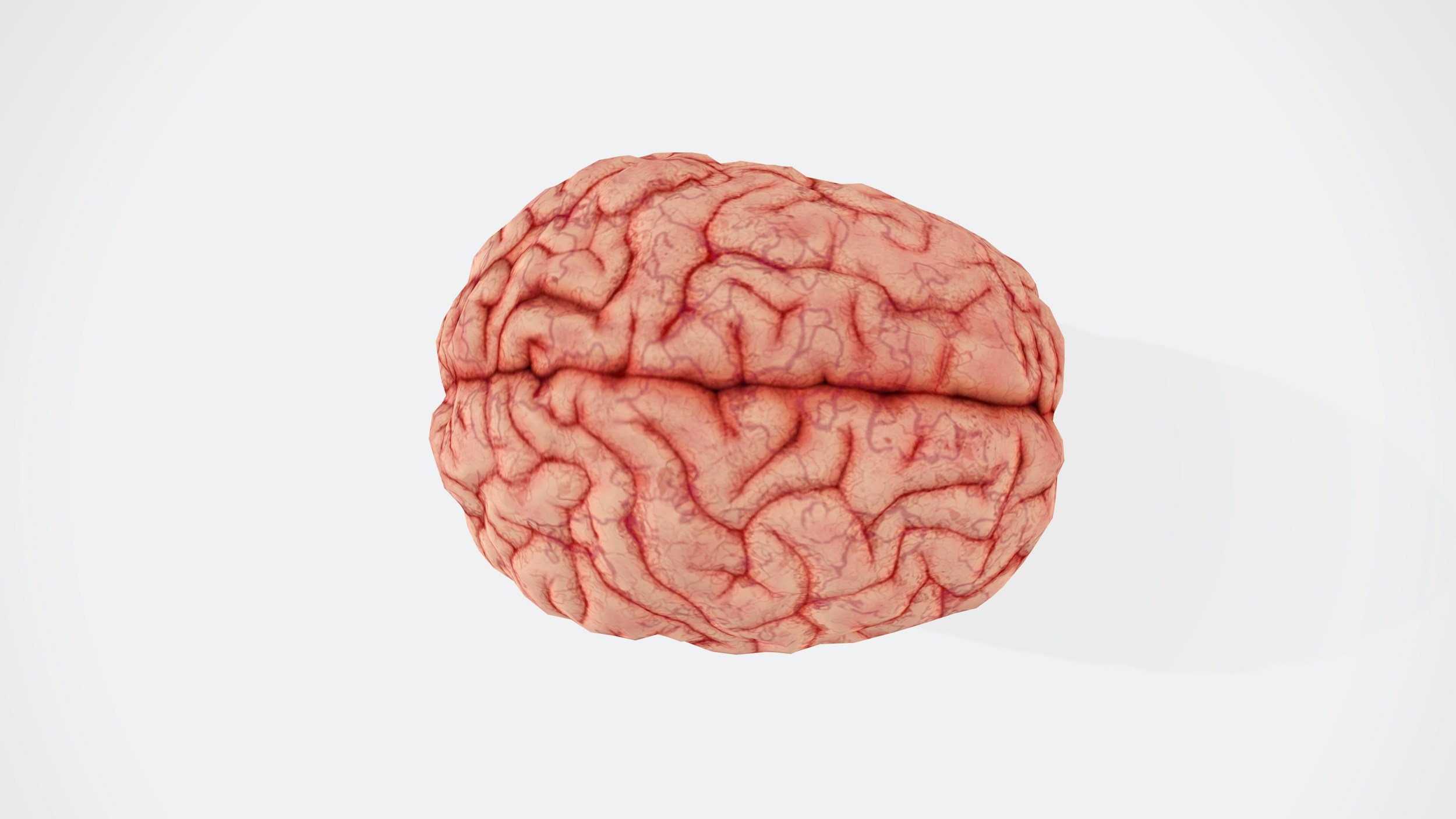
What is Happening in the Brain?
Scientists have found specific "glitches" in the sleep architecture of those with schizophrenia:
Broken Internal Clocks: Many people experience a "broken" circadian rhythm, leading to irregular sleep-wake cycles and excessive daytime sleepiness.
Spindle Deficits: These neurophysiological "signatures" are often missing or weakened, which is now considered a key biomarker for the disorder.
The Good News: Sleep is Treatable
While schizophrenia is a lifelong journey, insomnia is a treatable condition. CBT-I (Cognitive Behavioral Therapy for Insomnia) is the gold-standard, first-line treatment for sleep issues.
Recent studies confirm that CBT-I for schizophrenia:
Significantly reduces the severity of insomnia.
May improve overall quality of life.
Is safe to use alongside standard antipsychotic medications.
Stay tuned! We have an in-depth blog post coming soon that will dive deep into exactly how CBT-I works!
References
D’Agostino, A., Castelnovo, A., Tononi, G., & Ferrarelli, F. (2025). Sleep and mental health: Unveiling the critical role of sleep in brain function and psychiatric disorders. Biological Psychiatry, 98(11), 805–806.
Denis, D., Baran, B., Mylonas, D., Spitzer, C., Raymond, N., Talbot, C., Kohnke, E., Larson, O., Stickgold, R., Keshavan, M., & Manoach, D. S. (2024). Corrigendum to “Sleep oscillations and their relations with sleep-dependent memory consolidation in early course psychosis and first-degree relatives”. Schizophrenia Research, 285, 369–370.
Furukawa, Y., Salahuddin, N. H., Mao, J., Bighelli, I., & Leucht, S. (2025). Cognitive behavioral therapy for insomnia in people with schizophrenia: A systematic review and meta-analysis. Journal of Psychiatric Research, 191, 535–541.
Rogers, E., Gresswell, M., & Durrant, S. (2023). The relationship between sleep and suicidality in schizophrenia spectrum and other psychotic disorders: A systematic review. Schizophrenia Research, 261, 291–303.
Vyazovskiy, V. V., & Bannerman, D. M. (2025). Preclinical models for schizophrenia and sleep oscillations: From biomarkers to mechanisms. Biological Psychiatry, 98(11), 807–808.
Wang, D., Xu, B., Ross, B., Qiu, Y., Ma, Z., Fan, Y., & Fan, F. (2025). The effect of sleep disturbance trajectories on psychotic-like experiences among adolescents: The mediating role of depressive symptoms. European Child & Adolescent Psychiatry, 34, 3375–3386.
Zaks, N., Velikonja, T., Parvaz, M. A., Zinberg, J., Done, M., Mathalon, D. H., Addington, J., Cadenhead, K., Cannon, T., Cornblatt, B., McGlashan, T., Perkins, D., Stone, W. S., Tsuang, M., Walker, E., Woods, S. W., Keshavan, M. S., Buysse, D. J., Velthorst, E., & Bearden, C. E. (2021). Sleep disturbance in individuals at clinical high risk for psychosis. Schizophrenia Bulletin, 48(1), 111–123.