
Fueling the ADHD Brain: Why Nutrition is Your Secret Superpower
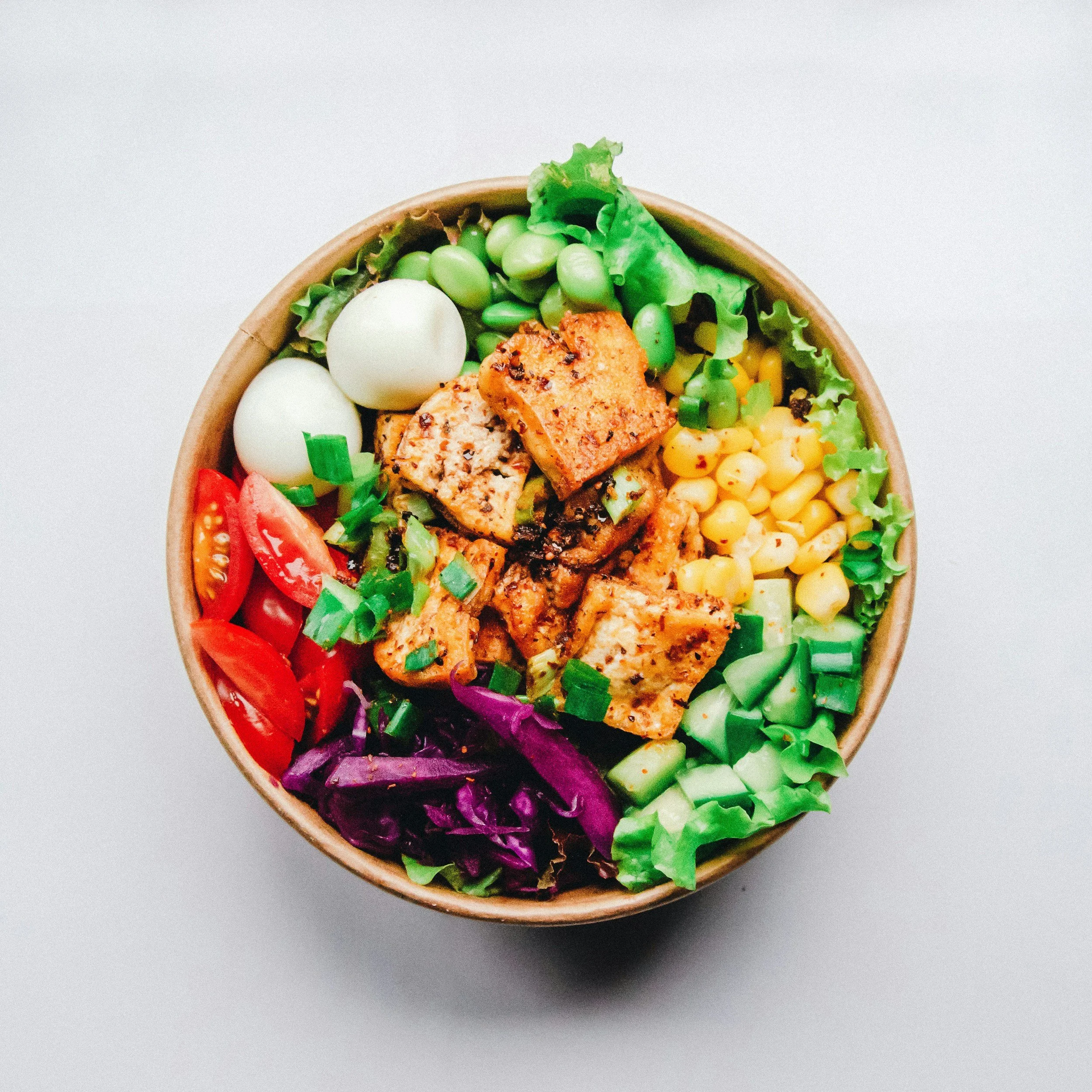
If you have ADHD, you’ve probably been told to "just focus" more times than you can count. But what if the key to better focus wasn't just willpower, but what’s on your plate? At Well Workshop Psychological Services, we believe in a multimodal approach to ADHD. While medication and therapy are foundational, the latest research shows that nutrition plays a massive role in managing symptoms like impulsivity, inattention, and emotional regulation.
ADHD is often linked to a "neurochemical mismatch" in the brain, particularly a lack of dopamine in the prefrontal cortex. Think of nutrition as the premium fuel your brain's "executive" needs to run smoothly. Protein provides amino acids like L-tyrosine, which is a precursor involved in dopamine production, supporting dopamine synthesis in the brain.
The Blood Sugar Rollercoaster
ADHD and hunger are a chaotic duo. Forgetfulness and executive dysfunction often lead to skipped meals. By the time you realize you're hungry, your blood sugar has crashed, leading to:
Brain fog and irritability.
Desperate food choices (usually high-sugar "junk foods" for a quick hit).
Worsened hyperactivity.
ADHD Tip: Aim for protein and fiber at every meal. This combo slows glucose absorption, keeping your energy and focus stable instead of spiking and crashing.
Your "Second Brain": The Gut Microbiome
Did you know your gut produces about 50% of your dopamine and 90% of your serotonin?. Research has identified "gut dysbiosis" (an imbalance of bacteria) as a common signature in ADHD.
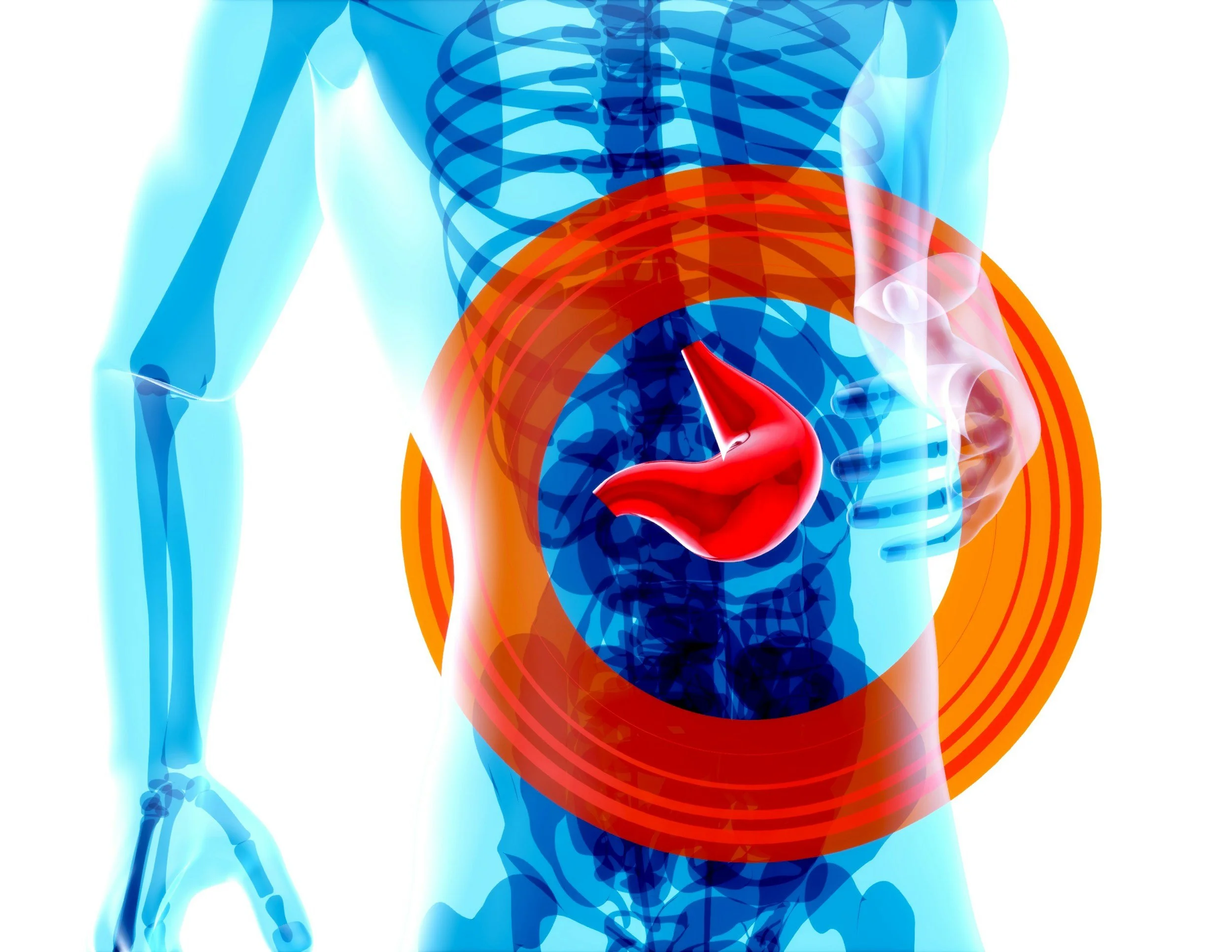
The Fiber Link: Diets high in fiber (fruits, veggies, whole grains) produce Short-Chain Fatty Acids (SCFAs) that protect the brain and reduce neuroinflammation.
Probiotic Power: Strains like Lactobacillus and Bifidobacterium have been associated with improved behaviors and reduced impulsivity.
Plant-Based Benefits: One study found that children with high adherence to a plant-based diet had 68% lower odds of ADHD symptoms.
What to Limit (and Why)
It isn't about restriction; it's about reducing inflammation.
Junk Food: Systematic reviews show a clear link between sweetened beverages/candies and increased ADHD symptoms.
Lectins: Some emerging research suggests that a low-lectin diet (reducing certain proteins found in grains and legumes) may improve attention when combined with traditional treatments.
Additives: Avoiding artificial dyes and sweeteners is a standard recommendation for ADHD management to prevent symptom flare-ups.
The "Executive Dysfunction" Kitchen Guide
Cooking can feel like an impossible mountain when you have ADHD. Here’s how to make it easier:
Start Small: Focus on improving just one meal a day—like a high-protein breakfast.
Micronutrient Hits: Ensure you’re getting enough Zinc, Iron, and Magnesium, as deficiencies in these are highly linked to ADHD.
The Sleep Connection: A healthy diet improves your sleep quality, which in turn helps you manage ADHD symptoms the next day.

Final Thoughts
Nutrition isn't a "cure," but it is a vital tool in your management toolbox. It supports your brain's ability to utilize neurotransmitters and keeps your mood regulated.
Our resident gut microbiome enthusiast, Psychologist Nadia Proano, is passionate about the gut-brain axis! She will be sure to mention these nutritional links and microbiome strategies during your sessions to ensure you are supporting your brain from the inside out.
References
Cai, Z., Che, C., Li, D., Li, X., Yu, X., Yu, L., Sun, Q., Niu, Y., & Cao, A. (2025). Common gut microbial signatures in autism spectrum disorder and attention deficit hyperactivity disorder. Autism Research.
Darand, M., Hassanizadeh, S., Martami, F., Shareghfarid, El., Hosseinpour-Niazi, S., & Hosseinzadeh, M. (2022). A plant-based dietary score and attention deficit/hyperactivity disorder in Iranian children: A case-control study. Journal of Affective Disorders, 313, 27–31.
Ghosh, S., & Singh, S. (2025). Microbiome dynamics in attention-deficit hyperactivity disorder: A systematic review and meta-analysis decoding the role of gut dysbiosis and potential dietary interventions. European Child & Adolescent Psychiatry.
Hazelwood, E., Bovingdon, T., & Tiemens, K. (2002). The meaning of a multimodal approach for children with ADHD: Experiences of service professionals. Child: Care, Health & Development, 28(4), 301–307.
Hong, G. C. C., Conduit, R., Wong, J., Di Benedetto, M., & Lee, E. (2021). Diet, physical activity, and screen time to sleep better: Multiple mediation analysis of lifestyle factors in school-aged children with and without attention deficit hyperactivity disorder. Journal of Attention Disorders, 25(13), 1847–1858.
Khazdouz, M., Safarzadeh, R., Hejrani, B., Hasani, M., Mahdavi, F. S., Ejtahed, H.-S., & Qorbani, M. (2024). The association between junk foods consumption and attention deficit hyperactivity disorder in children and adolescents: A systematic review and meta-analysis of observational studies. European Child & Adolescent Psychiatry.
Long, L., Peng, H., Chen, X., Wang, F., Long, W., Cheng, M., & Ma, J. (2024). The impact of integrating a low-lectin diet with traditional ADHD treatments on gut microbiota composition and symptom improvement in children - A cohort study. Neuropsychiatric Disease and Treatment, 20, 535–549.
Stevenson, J. (2021). Editorial: Accumulating evidence for the benefit of micronutrients for children with attention-deficit/hyperactivity disorder. Journal of the American Academy of Child and Adolescent Psychiatry.
Valdes, P. (2020). On the ADHD menu: A collection of over 50 delicious and easy-to-make ADHD-friendly recipes. Next Step 4 ADHD.