Running on Empty? Why Real Rest is Your Secret Weapon Against Burnout
Published for International Stress Awareness Day (November 4th) by Well Workshop Psychological Services
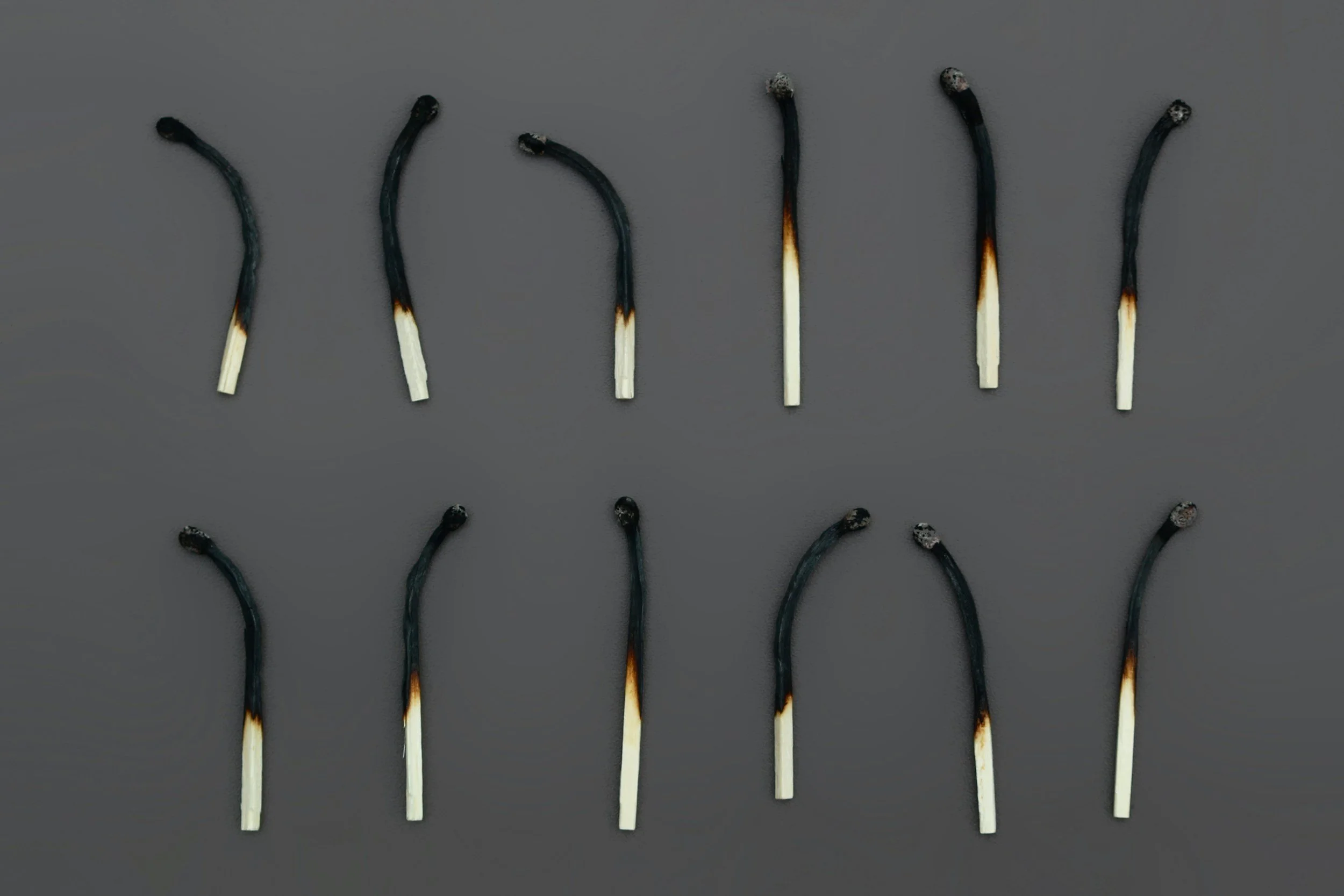
Ever feel like your third cup of coffee isn't helping, and even a full night’s sleep leaves you feeling completely drained?
You aren’t just tired, you might be facing burnout.
This International Stress Awareness Day (November 4th), the team at Well Workshop Psychological Services wants to pause the noise and talk about what your mind and body are actually asking for: rest and recuperation.
What Is Burnout (And Why Does It Happen?)
Burnout isn't a personal failure or a lack of resilience. It is a persistent psychological state resulting from prolonged, unmanaged stress. Research shows burnout manifests through three main signs:
Emotional & Physical Exhaustion: Feeling completely depleted of mental and physical energy.
Detachment & Cynicism: Feeling numb, disconnected, or irritable toward daily tasks.
Reduced Efficacy: A feeling that no matter how hard you work, you aren't making a difference.
Burnout is often driven by external pressures like resource shortages, excessive workloads, and organizational strain, as well as internal drivers like perfectionism and unreasonably high standards. When you push past your limits for too long, your nervous system simply locks up.
Why Rest & Recuperation Are Non-Negotiable
We live in a culture that glorifies hustle, but rest is not a luxury, it is active recovery. Here is why resting directly protects your mental health:
Lowers Perceived Stress: Taking intentional breaks throughout the day reduces emotional exhaustion and resets psychological bandwidth.
Prevents Long-Term Physical Strain: Chronic exposure to unmanaged stress impacts sleep, mood, and immune functioning.
Restores Compassion & Focus: Stepping away allows your brain to process emotions and regain empathy for yourself and others.
Protects Home-Work Boundaries: Clear boundaries between professional responsibilities and personal downtime prevent work fatigue from dominating your life.

4 Quick Micro-Steps for Real Recuperation Today
You don't need a month-long vacation to start recovering. Try these bite-sized strategies:
Take Intentional Micro-Breaks: Step away from screens for 5 minutes between tasks to re-ground your attention.
Set Firm Boundaries: Leave work tasks at the office or log off at a set time. Protect your evening recovery zone.
Release Perfectionist Expectations: Notice where "all-or-nothing" thinking is adding unnecessary weight to your day.
Lean on Professional Support: Talking through stressors in a safe, confidential environment significantly improves mental well-being and resilience
How Well Workshop Psychological Services Can Help
Healing from burnout starts with permission to slow down, and the right support system around you. At Well Workshop Psychological Services, we offer specialized individual therapy, corporate wellness workshops, and practical stress-management tools designed to help you regain balance and vitality.
Ready to take the first step toward burnout recovery?
[Visit our Linktree] to explore our current service offerings, book a consultation, or access our free mental wellness guides today!
References
Choate, R., Schaefer, B., Kearney, B., & Kay, C. (2024). Exploring perceptions of burnout, compassion fatigue, and coping: An implementation science approach to responder stress. Psychological Services, 21(3), 512–522. https://doi.org/10.1037/ser0000841[2]
Clancy, P., & Cassarino, M. (2024). Burnout and organisational stressors among healthcare staff working with adults with intellectual disabilities in Ireland. PLOS ONE, 19(11), e0313767. https://doi.org/10.1371/journal.pone.0313767[4]
Collett, G., Croft, C., & Gupta, A. K. (2026). The impact of a psychological support service on the mental well-being, stress, and burnout of U.K.-based health care professionals: A multiple-methods service evaluation. Psychological Services. Advance online publication. https://doi.org/10.1037/ser0001053[13]
İbrahimoğlu, Ö., et al. (2021). Burnout in healthcare workers: The effect of stress of conscience. Journal of Nursing Management, 29(8), 2650–2658. https://doi.org/10.1111/jonm.13452[1]
Pike, N. M., Floyd, R. G., & Porter, C. M. (2025). The interplay of stress, burnout, and mindful self-care in school psychologists. School Psychology, 40(6), 743–753. https://doi.org/10.1037/spq0000692[3][19]
Reinhardt, P., Ellbin, S., Carlander, A., Hadzibajramovic, E., Jonsdottir, I. H., & Lindqvist Bagge, A. (2024). Is the road to burnout paved with perfectionism? The prevalence of obsessive‐compulsive personality disorder in a clinical longitudinal sample of female patients with stress‐related exhaustion. Journal of Clinical Psychology, 80(2), 391–405. https://doi.org/10.1002/jclp.23617[8][20]