Giving Yourself Permission to Do Absolutely Nothing: Why Zero-Tasking Day Matters for Your Mental Health
What if the most productive thing you could do today was absolutely nothing?
When Daylight Saving Time ends on November 2nd, many of us view that extra 60 minutes as a bonus hour to cross off items on our to-do lists, running errands, answering emails, or catching up on household chores. But what if, instead of filling every available minute with tasks, you treated that gained hour as a non-negotiable gift for your mental health?
For those who do gain an extra hour this year, we encourage you to use it for rest rather than productivity. And for those of us who aren't getting that extra hour (like those of us in Alberta), this is a reminder that we don't need to wait for extra time to prioritize rest. Maybe now is as good a time as any to intentionally carve out a little time to slow down and recharge, rather than feeling like we always need to be productive.
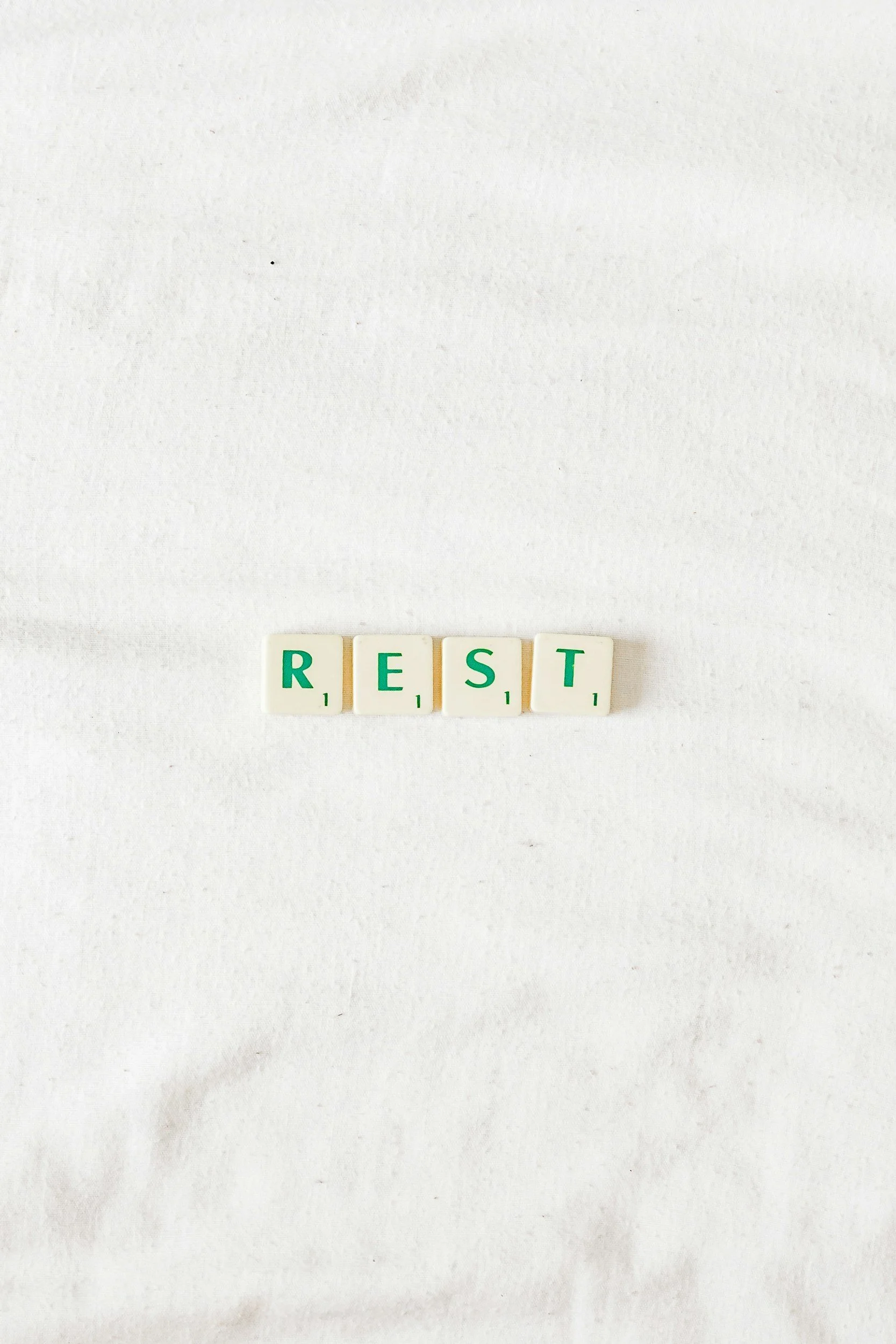
At Well Workshop Psychological Services, we encourage you to embrace Zero-Tasking Day on November 2nd and discover the psychological benefits of intentional rest.
The Psychology of "De-Loading"
Created by author Nancy Christie, Zero-Tasking Day is an invitation to dedicate a set period of time to doing absolutely nothing, a concept designed for mental "de-loading".
In a fast-paced world, psychological stress continuously builds as we push harder to fit more into our schedules. We often fall into the mindset that the more we accomplish, the more we should accomplish. However, research demonstrates that pushing through constant busyness leads to elevated stress levels and lower overall productivity.
Taking structured breaks provides vital cognitive and emotional benefits:
Lowers Nervous System Stress: Stepping away from demands gives your mind and body an opportunity to unwind before daily stressors accumulate.
Restores Cognitive Capacity: Short periods of quiet rest allow the brain to process information, sparking higher levels of creativity and emotional regulation.
Prepares You for High-Stress Seasons: Engaging in zero-tasking on November 2nd helps build resilience right before entering the demanding holiday season.
Why Doing Nothing Feels So Challenging
For many individuals, sitting quietly without a task feels foreign, uncomfortable, or even "self-indulgent". When unscheduled time suddenly appears, internal dialogues quickly take over: "Did I reply to that email? Did I pay the bills on time?".
When you first sit in silence, it is completely normal to feel edgy or restless. However, if you allow yourself to stay present through those initial minutes, your body gradually transitions into a state of calm and peace. Practicing stillness is a skill that requires patience and self-compassion.
Quick Steps to Practice Zero-Tasking
You do not need an entire day off to benefit from zero-tasking. Here is how you can incorporate intentional quiet into your routine:
Start Small: Begin with just 10 minutes of dedicated silence each day.
Eliminate Inputs: Turn off the television, put away your smartphone, and step away from conversations or work environments.
Quiet the Checklist: Focus gently on your breath and allow internal to-do lists to fade into the background.
Progressively Expand: As 10 minutes becomes comfortable, gradually extend your practice toward a full 60-minute session.
Prioritize Your Psychological Well-Being
Rest is not a reward you must earn after completing your work, it is a foundational requirement for your psychological health.
If you are struggling with burnout, boundary setting, or stress management, you do not have to navigate it alone. Visit our Linktree to explore the therapy services, psychological resources, and wellness workshops offered at Well Workshop Psychological Services!