Unmasking the Mind: 5 Psychological Insights for a Mindful Halloween
Welcome to Well Workshop Psychological Services! Halloween is a season of creative costumes, trick-or-treating, and spooky celebration. Beyond the fun and festivities, Halloween offers a fascinating window into human behaviour, cognitive development, and social psychology. Here are five key psychological insights from research to help your family celebrate mindfully this season.
1. Our Brains Are Hardwired for Spooky Faces
Ever wonder why a scary mask triggers an instant, heart-pounding jolt?

Evolutionary Threat Detection: Psychological research comparing humans and non-human primates demonstrates that our avoidance responses to scary masks, especially those with frowning eyebrows, wide glaring eyes, or large canine teeth, are rooted in biological predator-detection mechanisms rather than solely cultural beliefs.
Shared Primate Traits: Facial communication in primates is highly evolved, making exaggerated threat displays immediately recognizable across species.
2. Costume Choices and Identity Exploration
Dressing up is far more than simple pretend play for young minds.
Developing Schemas: Children's costume selections reflect their evolving understanding of social roles, identity, and gender schemas.
Fostering Autonomy: As children grow older, taking an active role in choosing their costume promotes decision-making confidence and creative agency.
Pretend Play Benefits: Engaging in imaginative dress-up correlates positively with social development and emotional growth.
3. The Value of Personal Investment
Motivation changes when we actively participate in creative tasks.
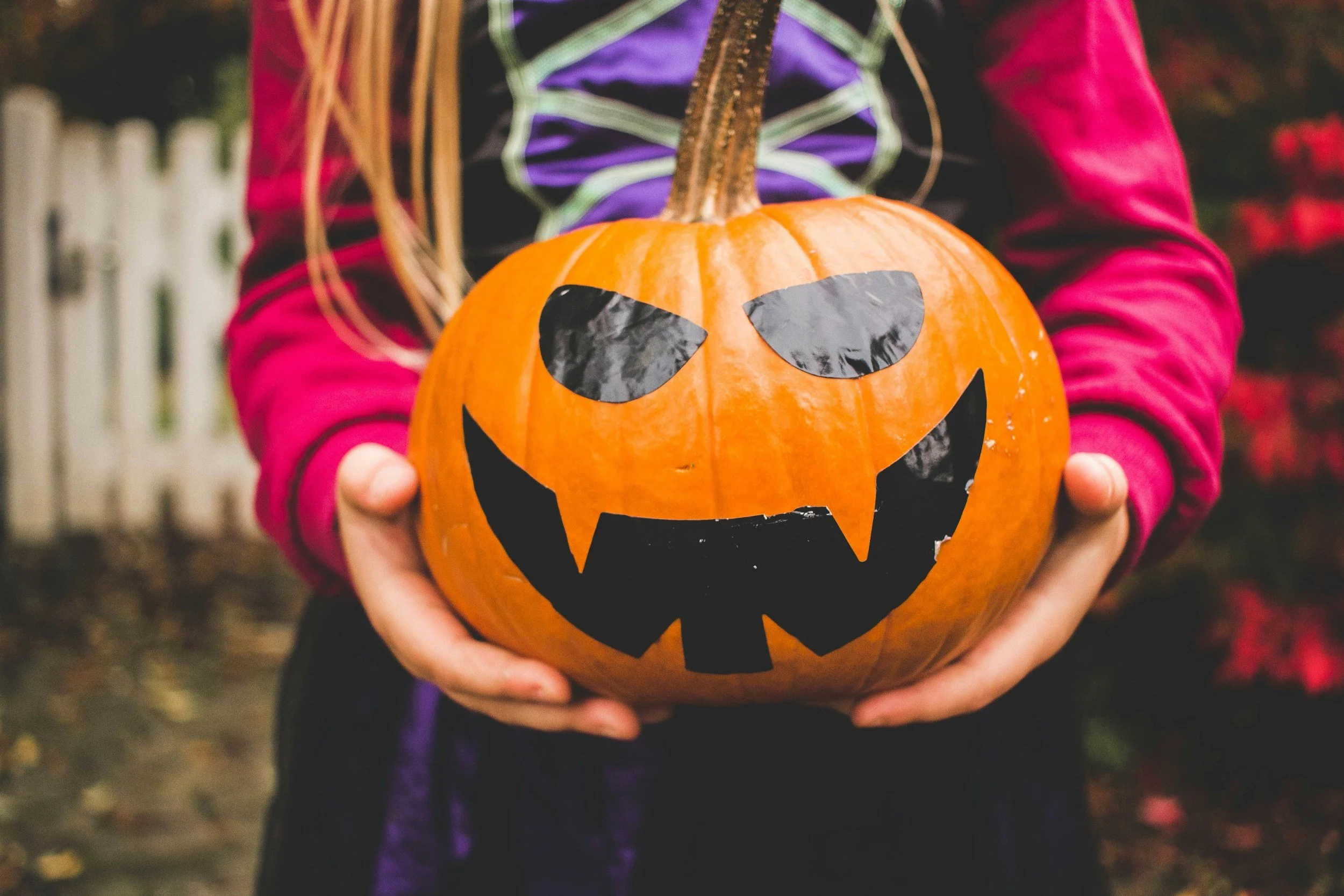
Symbolic vs. Material Value: Studies reveal that children who actively help design or create their own Halloween costumes show a distinct preference for symbolic rewards (like certificates of achievement) over simple material items.
Internal Pride: When individuals invest personal effort into an achievement, symbolic recognition yields deeper psychological satisfaction than quick material gratification.
4. Challenging Mental Health Stigmas
Halloween serves as a societal "tension-management ritual," allowing us to play out collective anxieties. However, ethical representation matters.

Breaking Stereotypes: Commercial costumes that portray "escaped mental patients" or "psycho wards" exploit outdated horror tropes and perpetuate harmful real-world stigmas around mental illness.
Empathy over Stigma: Approaching Halloween ethically means embracing spookiness without marginalizing or dehumanizing individuals who live with mental health conditions.
5. Rethinking Treats: Non-Food Alternatives Work
Are candy-filled buckets mandatory for Halloween joy?
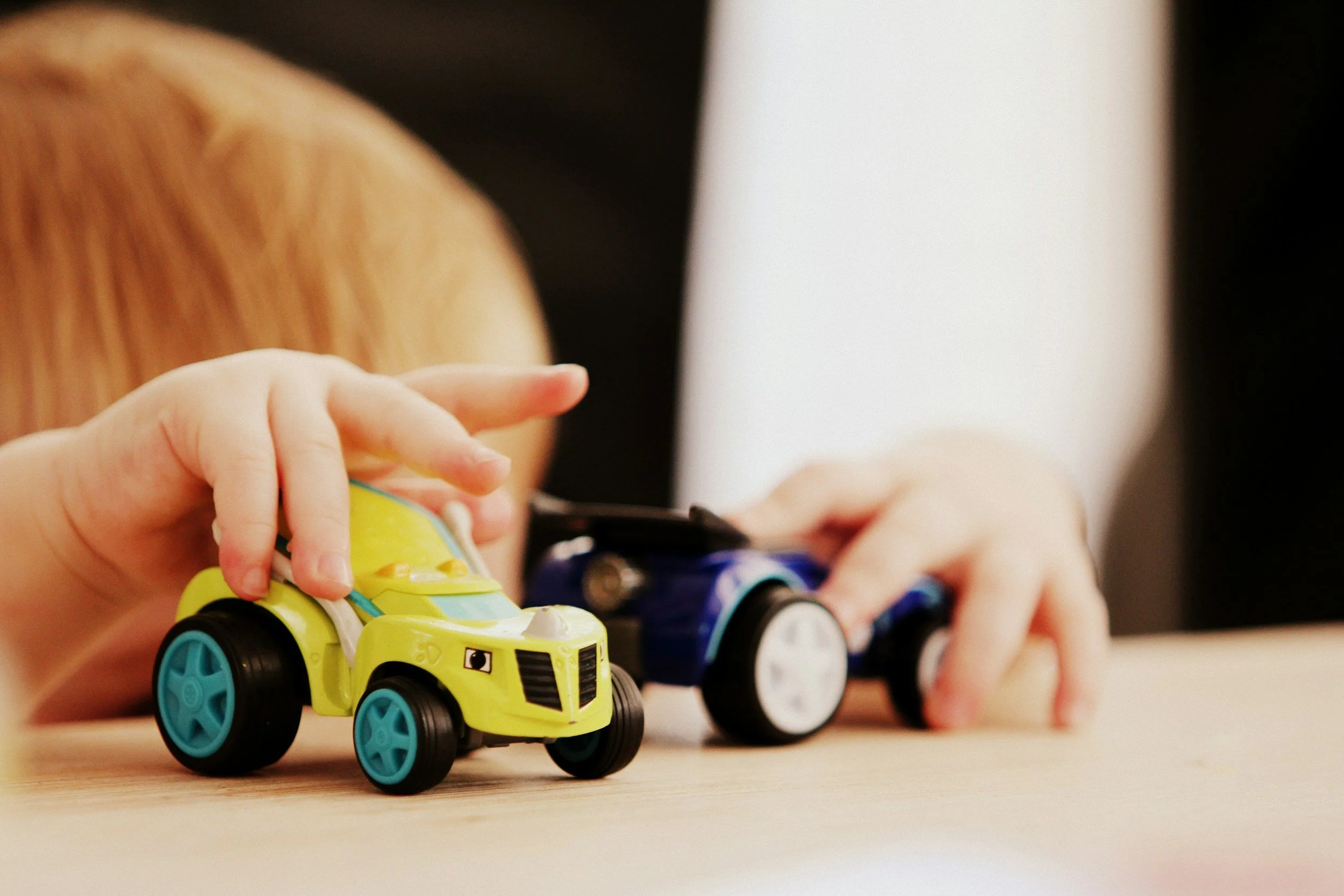
Toys vs. Candy: Empirical research on trick-or-treaters showed that children choose small toys (such as pencils, stickers, and glow items) just as frequently as candy when offered both.
Building Inclusive Traditions: Offering non-food items supports self-regulation and provides inclusive options for children with dietary needs or food sensitivities.
Final Thoughts
Halloween is a fantastic opportunity to foster creativity, practice empathy, and enjoy community connection. From all of us at Well Workshop Psychological Services, have a safe, fun, and insightful holiday!
References
Dinella, L. M. (2016). Halloween costume choices: Reflections of gender development in early childhood. The Journal of Genetic Psychology, 177(6), 213–227.
Kelly, S., & Riach, K. (2020). Halloween, organization, and the ethics of uncanny celebration. Journal of Business Ethics, 161(1), 103–114.
Schwartz, M. B., Chen, E. Y., & Brownell, K. D. (2003). Trick, treat, or toy: Children are just as likely to choose toys as candy on Halloween. Journal of Nutrition Education and Behavior, 35(4), 207–209.
Sinnott, J. M., Speaker, H. A., Powell, L. A., & Mosteller, K. W. (2012). Perception of scary Halloween masks by zoo animals and humans. International Journal of Comparative Psychology, 25(2), 83–96.
Weisz, J. R. (1978). Choosing problem-solving rewards and Halloween prizes: Delay of gratification and preference for symbolic reward as a function of development, motivation, and personal investment. Developmental Psychology, 14(1), 66–78.