World Alzheimer’s Day: Navigating the Journey Together
September 21st is World Alzheimer’s Day, a global effort to raise awareness and challenge the stigma surrounding dementia. At Well Workshop Psychological Services, we know that a diagnosis affects more than just memory; it impacts the emotional well-being of the entire family.
Whether you are seeking clarity on symptoms or supporting a loved one, understanding the road ahead is the first step toward living well.
What is Alzheimer’s Disease?
It is important to remember that Alzheimer’s is a progressive brain disease, not a normal part of aging. It is the most common cause of dementia, a term used to describe a group of symptoms that affect memory, thinking, and reasoning.
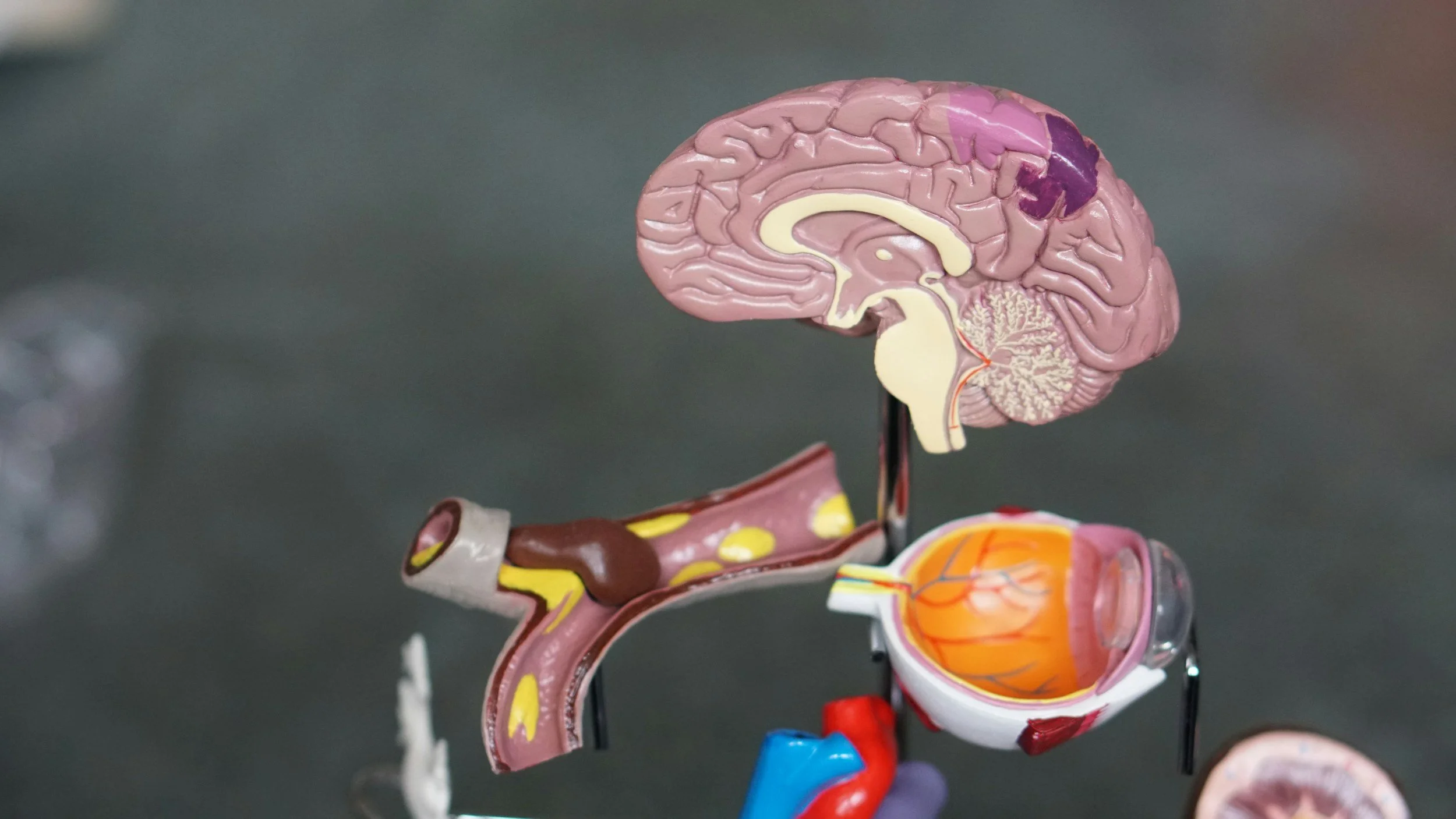
In the brain, abnormal structures called plaques and tangles damage and kill nerve cells, eventually making it difficult to carry out daily tasks.
Early Signs to Watch For
Symptoms vary, but early indicators often include:
Memory gaps: Forgetting recent events or conversations.
Difficulty with familiar tasks: Struggling to cook a meal or pay bills.
Word-finding issues: Having trouble coming up with the right name for objects.
Disorientation: Getting lost in places you know well.
Mood changes: Feeling unusually anxious, depressed, or unmotivated.
The Emotional Impact
Receiving a diagnosis can trigger a whirlwind of emotions, from shock and fear to, occasionally, a sense of relief at finally having an explanation for changes. At Well Workshop, we emphasize that there is no “right” way to feel.

Because Alzheimer’s is progressive, it can lead to psychological challenges such as:
Anxiety regarding the loss of independence.
Depression resulting from the loss of planned futures.
Social Withdrawal as communication becomes more difficult.
Can We Prevent Alzheimer’s Disease?
While there is currently no proven cure or guaranteed way to prevent Alzheimer's, clinical research shows that several promising lifestyle habits can help keep your brain healthy and lower your risk of cognitive decline.
Manage Blood Pressure: Controlling high blood pressure, especially in midlife, helps protect your blood vessels and significantly reduces the risk of mild cognitive impairment (MCI).
Stay Physically Active: Regular exercise, like brisk walking, benefits heart health, reduces diabetes and stroke risks, and helps slow down age-related cognitive decline.
Keep Your Mind Engaged: Structured cognitive training and mentally stimulating activities (such as reading, crafts, and games) help preserve memory and reasoning skills.
Protect Your Heart: There is a strong connection between brain health and heart health. Eating a balanced, heart-healthy diet benefits both.
Stay Connected: Socializing with friends and family, along with getting enough quality sleep, supports overall brain resilience.
Living Well After Diagnosis
A diagnosis does not mean life stops. Many people continue to lead meaningful lives by focusing on what they can do. Strategies for success include:
Mental Activity: Puzzles, reading, and social groups keep the brain engaged.
Physical Health: Regular exercise and heart-healthy eating benefit brain function.
Practical Tools: Using whiteboards, large diaries, and digital reminders can help manage memory loss.
Planning Ahead: Sorting out legal matters like a Lasting Power of Attorney early on provides peace of mind for the future.
Building a “Circle of Support”

Caregiving is a monumental task, over 11 million Americans provide unpaid care for those with dementia. To avoid burnout and isolation, caregivers need their own Circle of Support (CoS). This network should include:
Family and Friends for emotional and instrumental help.
Healthcare Professionals like psychologists and GPs to manage the medical and mental load.
Support Groups where you can share experiences with those who truly understand.
If you or a loved one are navigating the complexities of Alzheimer’s, you don’t have to do it alone. Professional psychological support can help manage the transition, process grief, and strengthen your circle of support.
References
Alzheimer’s Association. (2025). Understanding Alzheimer’s and dementia (TS-0069). https://www.alz.org
Alzheimer’s Society. (2019). Alzheimer’s disease: Understanding your diagnosis (616LP). https://www.alzheimers.org.uk
National Institute on Aging. (2023). Understanding Alzheimer’s disease: What you need to know (NIH Publication No. 23-AG-5441). U.S. Department of Health and Human Services. https://www.nia.nih.gov
Wladkowski, S. P., Washington, K. T., Coccia, K. W., & Wallace, C. L. (2026). Understanding the “circle of support” for caregivers of adults with Alzheimer’s disease and related dementias following a hospice live discharge. Death Studies. https://doi.org/10.1080/07481187.2026.2683688