
Navigating the August Transition: Understanding Back-to-School Anxiety in 2026

August has arrived, and for many families,
the excitement of new school supplies is
overshadowed by a familiar, heavy feeling:
back-to-school anxiety.
At Well Workshop Psychological Services,
we recognize that this transition is more
than just a calendar change; it is a
significant psychological shift for children,
adolescents, and parents alike. While some
nerves are "normal," the landscape of
school anxiety has shifted drastically over
the last few years, making this month
particularly challenging.
The "Safe Space" Shift: Why It's Harder Post-COVID
The drastic changes brought about by the pandemic reshaped how many students view the classroom. During lockdowns, the home often became a "sanctuary" where students could avoid social pressures or academic evaluations.
Key factors making the return more difficult include:
Safety Messaging: For some, especially those with Special Educational Needs (SEN), the transition back was confusing, they struggled to comprehend why school was once labeled dangerous but was suddenly "safe".
Routine Disruption: Frequent changes in school rules (like "bubbles" or sudden shifts to remote learning) created a sense that school is unpredictable and potentially "unsafe".
Academic Catch-Up: There is an intense, lingering pressure for students to "catch up" on perceived learning losses, which spikes anxiety surrounding tests and exams.
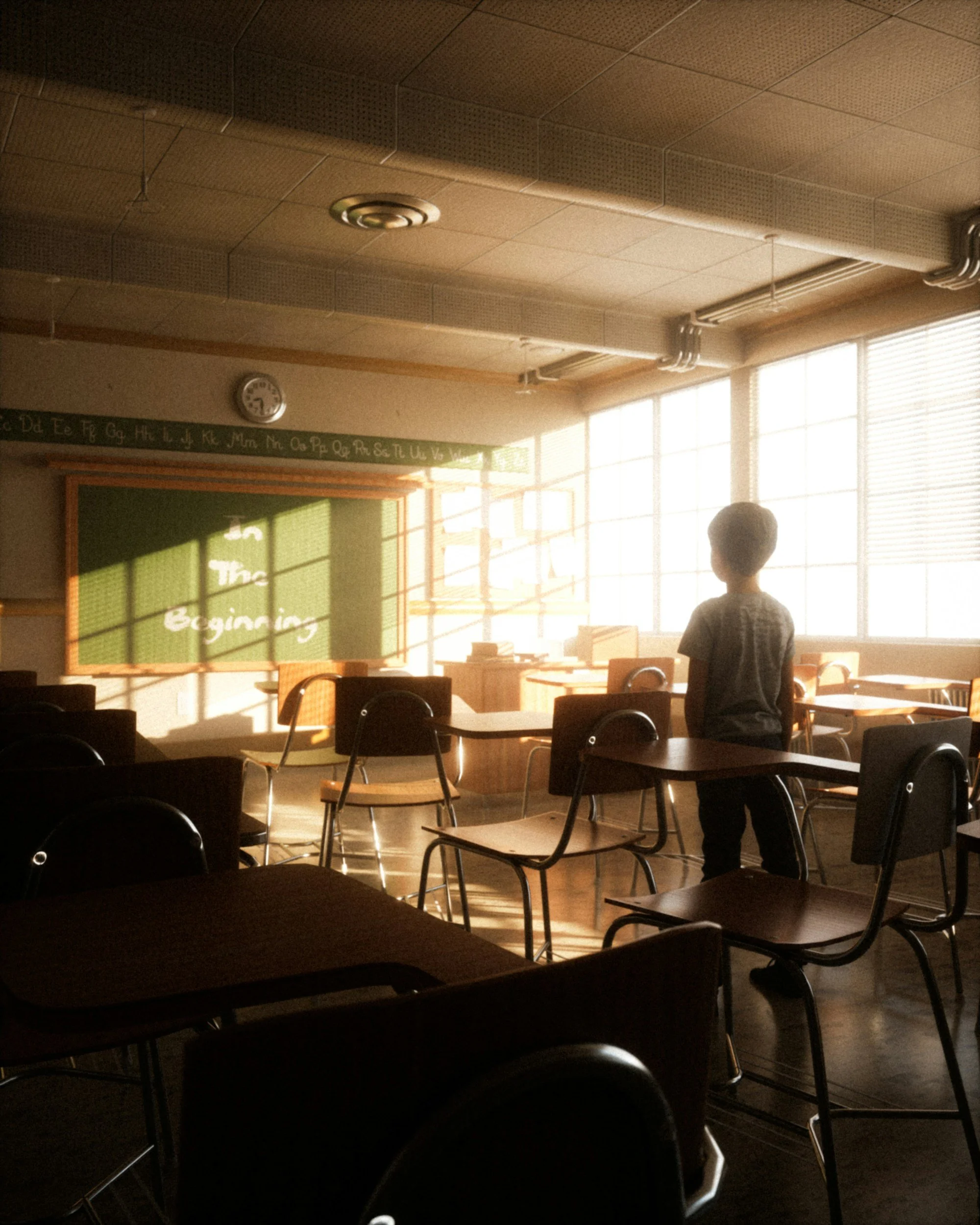
Understanding the "Triple Response" to Anxiety
School anxiety is defined as an irrational, excessive fear of school situations, including exams, teachers, or peers. It rarely looks like just one thing; instead, it manifests as a "triple response":
Cognitive (Thoughts): Persistent worry about failure, being laughed at, or "getting it wrong".
Psychophysiological (Body): Physical distress such as a racing heart, stomachaches, sweating, or rapid breathing.
Behavioral (Actions): Avoidance, escaping the classroom, or "school refusal" (sometimes called "school can't"), where the child is physically unable to attend despite parental efforts.
The ADHD and Executive Function Connection
For children who struggle with executive function (the brain's management system), August is a high-stakes month. Executive functions help students adjust to new situations, remember multi-step instructions, and stay focused.
Research shows that a teacher’s initial perception of a student’s behaviour in the first few weeks often sets the tone for the entire year’s relationship. Students with literacy difficulties or autism are also at a significantly higher risk for social and separation anxiety, as the sensory and social demands of the classroom can feel overwhelming.
How to Support the Transition This Month
Early Teacher Collaboration: Don't wait for a "wobble" to become a crisis. Establish an open, non-judgmental relationship with your child’s teacher now to ensure they understand your child's specific stressors.
Practice "Mentalization": Try to see the world through your child’s eyes. When they refuse school, it is often a visceral fear, not "naughty" behavior; validating their distress can actually improve family cohesion.
Watch the "Avoidance Trap": While it’s tempting to let an anxious child stay home to provide immediate relief, long-term "accommodation" of avoidance can inadvertently intensify the anxiety.
Prioritize Care over Control: Shift the focus from "forcing attendance" to prioritizing the child’s mental health and professional support.
The goal of this month isn't just getting through the front door, it's building the resilience and relationships your child needs to thrive.
References
Adams, D., Malone, S., Dargue, N., Rodgers, J., Simpson, K., Wicks, R., & Rapee, R. (2025). Brief report: School anxiety, school attendance and school refusal/distress following an autism-specific parent-mediated intervention for anxiety in preschoolers. Journal of Autism and Developmental Disorders. https://doi.org/10.1007/s10803-025-06828-6
Finch, J. E., Garcia, E. B., & Obradović, J. (2026). Back to school: Teachers’ initial perceptions of students’ executive function behaviors are important for teacher–student relationships and executive function development. Applied Developmental Science, 30(3), 254–274. https://doi.org/10.1080/10888691.2024.2418090
Kargiotidis, A., & Manolitsis, G. (2024). Are children with early literacy difficulties at risk for anxiety disorders in late childhood? Annals of Dyslexia, 74, 82–96. https://doi.org/10.1007/s11881-023-00291-7
Martínez-Monteagudo, M. C., Crespo, A., Delgado, B., & García-Fernández, J. M. (2025). Adaptation and psychometric validation of the school anxiety inventory in a university population. Current Psychology, 44, 1686–1695. https://doi.org/10.1007/s12144-025-07301-4
McDonald, B., Lester, K. J., & Michelson, D. (2023). ‘She didn’t know how to go back’: School attendance problems in the context of the COVID-19 pandemic—A multiple stakeholder qualitative study with parents and professionals. British Journal of Educational Psychology, 93, 386–401. https://doi.org/10.1111/bjep.12562
Snegaroff, C., Ludot-Grégoire, M., Skandrani, S., Barry, C., Hassler, C., Grandclerc, S., Minassian, S., Hellier, E., Radjack, R., Moro, M. R., & Harf, A. (2025). Does multifamily therapy help parents of adolescents with anxiety-based school refusal? A qualitative approach. PLoS ONE, 20(10), e0334037. https://doi.org/10.1371/journal.pone.0334037
Tellefsen Håland, Å., & Bertelsen, T. B. (2026). School anxiety accommodation in youth: Prevalence and patterns among teachers. Child Psychiatry & Human Development, 57, 279–287. https://doi.org/10.1007/s10578-025-01853-z