Celebrating Our Mental Health Heroes: National Psychologist Appreciation Day!
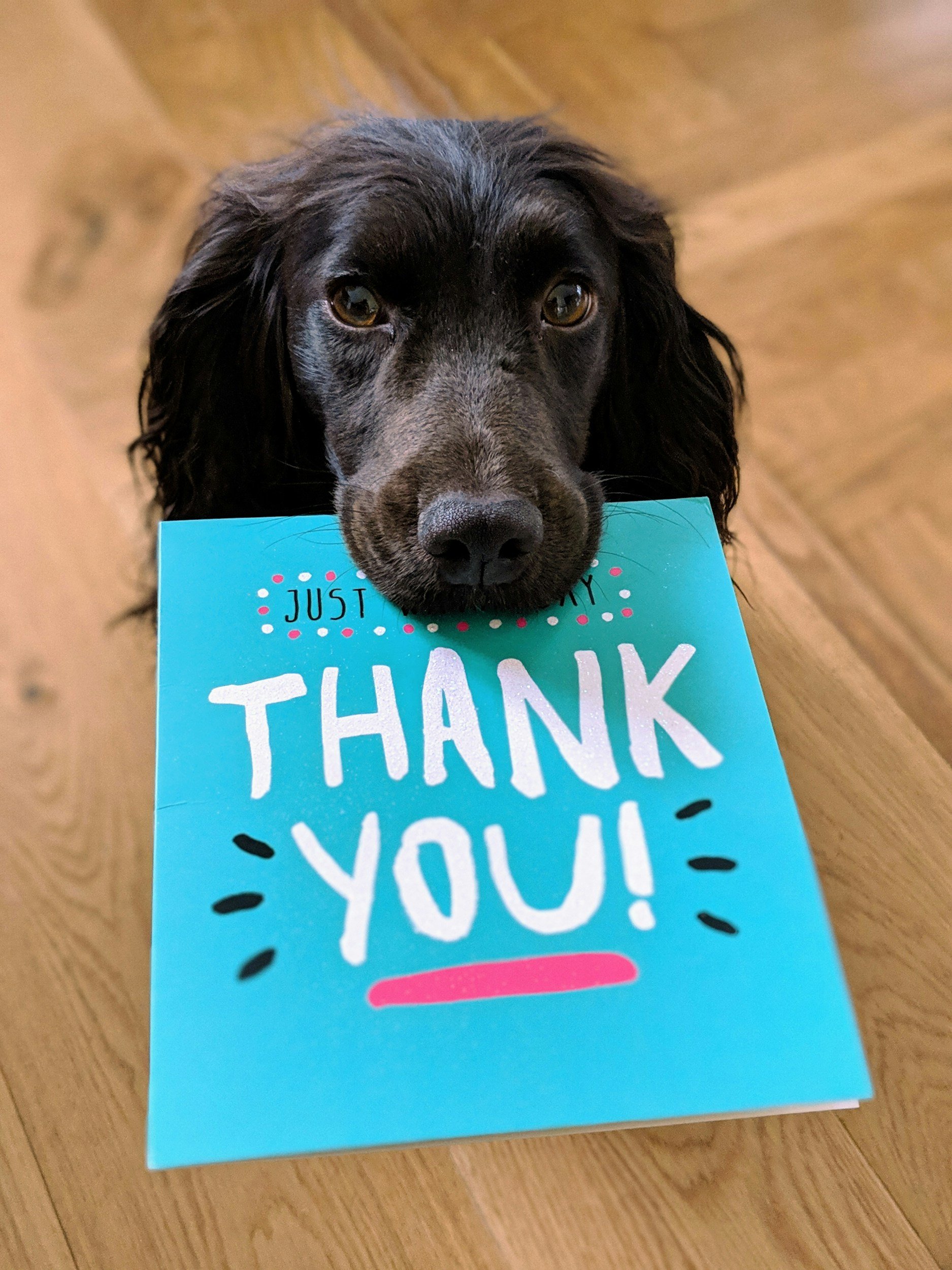
July 14th is National Psychologist Appreciation Day, and here at Well Workshop Psychological Services, we are taking a massive moment to say THANK YOU to all the psychologists, trainees, and healthcare professionals in the mental health industry.
The work you do is more than a job, it is a vocation of service. Whether you are a seasoned practitioner or a trainee navigating the stressors of graduate school, your commitment to human flourishing is what keeps our communities resilient.
Why We Are Saying Thanks (The "Social Worth" Factor)
Research shows that the "power of thanks" isn't just a nice sentiment; it’s a vital resource. When mental health professionals receive gratitude, it provides a "resource replenishment" that:
Boosts Occupational Self-Efficacy: It reinforces your belief in your ability to handle challenging clinical demands.
Enhances Social Worth: It helps you feel truly valued by the people you serve, fulfilling a fundamental human need.
Increases Work Meaningfulness: Seeing the tangible difference you make fosters a deeper sense of purpose.
The Resilience of a "Responsible Citizen"
Being a psychologist means being a "responsible citizen." It involves scrutinizing your goals and acting explicitly on values to maximize human potential. But we know this "noble profession" comes with a heavy weight:
High Demands: Clinicians often face job demands that exceed their time and resources, leading to potential burnout.
Compassion Fatigue: Constantly absorbing the trauma of others can be exhausting.

The Good News: You are naturally building the "glasses" through which you see the world. Factors like gratitude, mindfulness, and self-compassion act as internal resources that protect you from burnout and depression.
How Gratitude Fuels Your Creativity 🎨
Did you know that your own well-being directly impacts your clinical skill? Grateful and resilient psychologists are often more creative in their work. This allows you to:
Move beyond "traditional" contexts to find modern, flexible solutions for your clients.
Maintain "counselling intelligence" and flexibility even during successive societal changes.
A Tiny Self-Care Tip for the Road 🧘
If you’re feeling the strain, the science suggests that even small "intentional pauses" make a difference:
Heartfulness: Taking time for simple heart-based meditation or "rejuvenation" techniques can significantly reduce burnout and improve sleep quality.
Gratitude Interventions: Simply writing a letter (even if you don't send it!) or a quick text of thanks to someone you appreciate can boost your own positive affect and optimism.
To Our Unsung Heroes 🏆
To the editors, the supervisors, the peer reviewers, and every clinician in the room: You are the unsung heroes of the editorial and clinical process. Your work allows diverse voices to be heard and healing to begin.
Happy National Psychologist Appreciation Day! Your dedication to "The Art of Listening" and the betterment of the human condition does not go unnoticed.
References
Arnout, B. A., & Almoied, A. A. (2021). A structural model relating gratitude, resilience, psychological well‐being and creativity among psychological counsellors. Counselling and Psychotherapy Research, 21(3), 471–489. https://doi.org/10.1002/capr.12316
Churchill, S. D. (2025). A glance back, an expression of gratitude, and a farewell. The Humanistic Psychologist, 53(4), 517–520. https://doi.org/10.1037/hum0000411
Dang, A. V., Coles, N. A., Oishi, S., & McCullough, M. E. (2026). The efficacy of seven gratitude interventions for promoting subjective well-being. The Journal of Positive Psychology, 21(3), 517–535. https://doi.org/10.1080/17439760.2025.2502483
Desai, K., O’Malley, P., & Van Culin, E. (2024). Impact of heartfulness meditation practice compared to the gratitude practices on wellbeing and work engagement among healthcare professionals: Randomized trial. PLoS ONE, 19(6), e0304093. https://doi.org/10.1371/journal.pone.0304093
Kelman, H. C. (2021). A responsible psychologist is a responsible citizen. Journal of Social Issues, 77(4), 917–935. https://doi.org/10.1111/josi.12474
Li, H., Zhang, R., Liu, Z., & Zhao, T. (2025). The power of thanks: How gratitude expression from patients enhances well-being and work meaningfulness of healthcare professionals. The Journal of Positive Psychology. https://doi.org/10.1080/17439760.2025.2561677
Lyon, A. R., & Wright, S. L. (2024). Mindfulness, self-compassion, gratitude, and burnout in health service psychology trainees: A structural equation model. Training and Education in Professional Psychology, 18(4), 340–349. https://doi.org/10.1037/tep0000479